
In the rhythmic heartbeat of a fertilizer plant, after the disc granulator has done its work and the dryer has locked in strength, one machine stands guard over the final product. The rotary screener machine—also known as a trommel screen or rotary drum screen—may lack the dramatic flair of the granulator or the raw power of the crusher, but its role is absolutely vital. It is the gatekeeper, the quality controller, the final judge that decides which granules are worthy of being called finished product and which must return for another chance.
A Simple Idea, Perfectly Executed
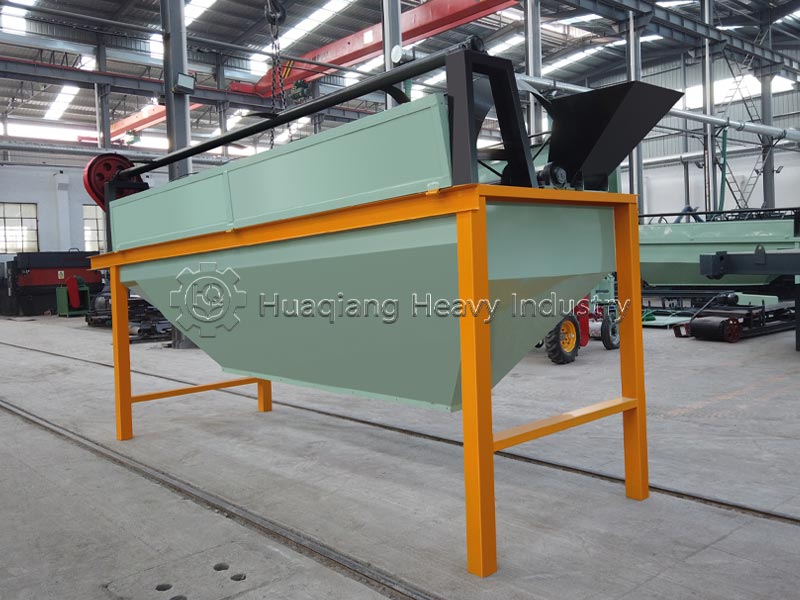
The concept behind the rotary screener is elegantly simple: a rotating cylindrical drum, perforated with precisely sized holes, inclined slightly from feed end to discharge. Material enters at the higher end, and as the drum turns, the granules tumble and cascade along its length. The magic lies in what happens next.
Smaller particles—those below the desired size—fall through the perforations like rain through a sieve. Perfectly sized granules continue their journey through the drum, emerging at the lower end as finished product ready for coating and packaging. Oversize material, too large to pass through the mesh, travels the full length and is discharged separately, typically heading to a crusher for size reduction before being recycled back into the process.
This simple yet brilliant mechanism accomplishes in moments what would otherwise require hours of manual labor. It transforms a chaotic stream of mixed particle sizes into three clean, well-defined fractions, each destined for its proper place in the production loop.
 Why the Rotary Motion Matters
Unlike vibration screener machine, which shake material aggressively, the rotary screener takes a gentler approach. The drum's rotation gently rolls the material, presenting fresh surfaces to the mesh openings with every turn. This tumbling action has several profound advantages.
First, it minimizes blinding—the clogging of screen openings that plagues other screening methods. When material rolls rather than vibrates, sticky or moist particles are less likely to wedge themselves into the mesh. Any particle that does begin to stick is often dislodged by the continuous motion of the drum.
Second, the gentle handling preserves granule integrity. Fertilizer pellets, while strong, can still be fractured by excessive vibration or impact. The rotary screener's rolling action separates particles by size without beating them into dust.
Third, the design allows for multiple screening fractions in a single pass. A drum can be divided into sections with different mesh sizes—fine mesh at the feed end, product mesh in the middle, and perhaps an open section at the discharge. This creates a continuous stream of separated materials without the need for multiple machines.
Built for the Tough Jobs
Fertilizer production is not a gentle industry. Materials are abrasive, throughputs are high, and the work never stops. The rotary screener is built to meet these challenges head-on.
Heavy-gauge steel forms the drum, supported by robust rollers and driven by a reliable motor and gear system. The screen mesh—whether woven wire, perforated plate, or polyurethane panels—is designed to resist wear and corrosion. Replaceable components make maintenance straightforward, and the simple design means fewer parts to fail.
These machines handle enormous volumes with ease. From small-scale operations processing a few tons per hour to massive industrial lines handling over a hundred tons, the rotary screener scales effortlessly. It runs quietly, steadily, reliably—day after day, year after year.
The Heart of the Recycle Loop
In modern fertilizer plants, the rotary screener occupies a central position in the production flow. It closes the loop, creating a continuous circuit that maximizes efficiency and minimizes waste.
After granules leave the cooler, they flow directly to the screener. The on-size product moves forward to coating and packaging. The oversize particles travel to a crusher, are broken down, and return to the granulator for another pass. The undersize fines are conveyed back even more directly—often feeding straight into the granulator alongside fresh material.
Why the Rotary Motion Matters
Unlike vibration screener machine, which shake material aggressively, the rotary screener takes a gentler approach. The drum's rotation gently rolls the material, presenting fresh surfaces to the mesh openings with every turn. This tumbling action has several profound advantages.
First, it minimizes blinding—the clogging of screen openings that plagues other screening methods. When material rolls rather than vibrates, sticky or moist particles are less likely to wedge themselves into the mesh. Any particle that does begin to stick is often dislodged by the continuous motion of the drum.
Second, the gentle handling preserves granule integrity. Fertilizer pellets, while strong, can still be fractured by excessive vibration or impact. The rotary screener's rolling action separates particles by size without beating them into dust.
Third, the design allows for multiple screening fractions in a single pass. A drum can be divided into sections with different mesh sizes—fine mesh at the feed end, product mesh in the middle, and perhaps an open section at the discharge. This creates a continuous stream of separated materials without the need for multiple machines.
Built for the Tough Jobs
Fertilizer production is not a gentle industry. Materials are abrasive, throughputs are high, and the work never stops. The rotary screener is built to meet these challenges head-on.
Heavy-gauge steel forms the drum, supported by robust rollers and driven by a reliable motor and gear system. The screen mesh—whether woven wire, perforated plate, or polyurethane panels—is designed to resist wear and corrosion. Replaceable components make maintenance straightforward, and the simple design means fewer parts to fail.
These machines handle enormous volumes with ease. From small-scale operations processing a few tons per hour to massive industrial lines handling over a hundred tons, the rotary screener scales effortlessly. It runs quietly, steadily, reliably—day after day, year after year.
The Heart of the Recycle Loop
In modern fertilizer plants, the rotary screener occupies a central position in the production flow. It closes the loop, creating a continuous circuit that maximizes efficiency and minimizes waste.
After granules leave the cooler, they flow directly to the screener. The on-size product moves forward to coating and packaging. The oversize particles travel to a crusher, are broken down, and return to the granulator for another pass. The undersize fines are conveyed back even more directly—often feeding straight into the granulator alongside fresh material.
 Why the Rotary Motion Matters
Unlike vibration screener machine, which shake material aggressively, the rotary screener takes a gentler approach. The drum's rotation gently rolls the material, presenting fresh surfaces to the mesh openings with every turn. This tumbling action has several profound advantages.
First, it minimizes blinding—the clogging of screen openings that plagues other screening methods. When material rolls rather than vibrates, sticky or moist particles are less likely to wedge themselves into the mesh. Any particle that does begin to stick is often dislodged by the continuous motion of the drum.
Second, the gentle handling preserves granule integrity. Fertilizer pellets, while strong, can still be fractured by excessive vibration or impact. The rotary screener's rolling action separates particles by size without beating them into dust.
Third, the design allows for multiple screening fractions in a single pass. A drum can be divided into sections with different mesh sizes—fine mesh at the feed end, product mesh in the middle, and perhaps an open section at the discharge. This creates a continuous stream of separated materials without the need for multiple machines.
Built for the Tough Jobs
Fertilizer production is not a gentle industry. Materials are abrasive, throughputs are high, and the work never stops. The rotary screener is built to meet these challenges head-on.
Heavy-gauge steel forms the drum, supported by robust rollers and driven by a reliable motor and gear system. The screen mesh—whether woven wire, perforated plate, or polyurethane panels—is designed to resist wear and corrosion. Replaceable components make maintenance straightforward, and the simple design means fewer parts to fail.
These machines handle enormous volumes with ease. From small-scale operations processing a few tons per hour to massive industrial lines handling over a hundred tons, the rotary screener scales effortlessly. It runs quietly, steadily, reliably—day after day, year after year.
The Heart of the Recycle Loop
In modern fertilizer plants, the rotary screener occupies a central position in the production flow. It closes the loop, creating a continuous circuit that maximizes efficiency and minimizes waste.
After granules leave the cooler, they flow directly to the screener. The on-size product moves forward to coating and packaging. The oversize particles travel to a crusher, are broken down, and return to the granulator for another pass. The undersize fines are conveyed back even more directly—often feeding straight into the granulator alongside fresh material.
Why the Rotary Motion Matters
Unlike vibration screener machine, which shake material aggressively, the rotary screener takes a gentler approach. The drum's rotation gently rolls the material, presenting fresh surfaces to the mesh openings with every turn. This tumbling action has several profound advantages.
First, it minimizes blinding—the clogging of screen openings that plagues other screening methods. When material rolls rather than vibrates, sticky or moist particles are less likely to wedge themselves into the mesh. Any particle that does begin to stick is often dislodged by the continuous motion of the drum.
Second, the gentle handling preserves granule integrity. Fertilizer pellets, while strong, can still be fractured by excessive vibration or impact. The rotary screener's rolling action separates particles by size without beating them into dust.
Third, the design allows for multiple screening fractions in a single pass. A drum can be divided into sections with different mesh sizes—fine mesh at the feed end, product mesh in the middle, and perhaps an open section at the discharge. This creates a continuous stream of separated materials without the need for multiple machines.
Built for the Tough Jobs
Fertilizer production is not a gentle industry. Materials are abrasive, throughputs are high, and the work never stops. The rotary screener is built to meet these challenges head-on.
Heavy-gauge steel forms the drum, supported by robust rollers and driven by a reliable motor and gear system. The screen mesh—whether woven wire, perforated plate, or polyurethane panels—is designed to resist wear and corrosion. Replaceable components make maintenance straightforward, and the simple design means fewer parts to fail.
These machines handle enormous volumes with ease. From small-scale operations processing a few tons per hour to massive industrial lines handling over a hundred tons, the rotary screener scales effortlessly. It runs quietly, steadily, reliably—day after day, year after year.
The Heart of the Recycle Loop
In modern fertilizer plants, the rotary screener occupies a central position in the production flow. It closes the loop, creating a continuous circuit that maximizes efficiency and minimizes waste.
After granules leave the cooler, they flow directly to the screener. The on-size product moves forward to coating and packaging. The oversize particles travel to a crusher, are broken down, and return to the granulator for another pass. The undersize fines are conveyed back even more directly—often feeding straight into the granulator alongside fresh material. 