
Disc Granulator
Disc Granulator
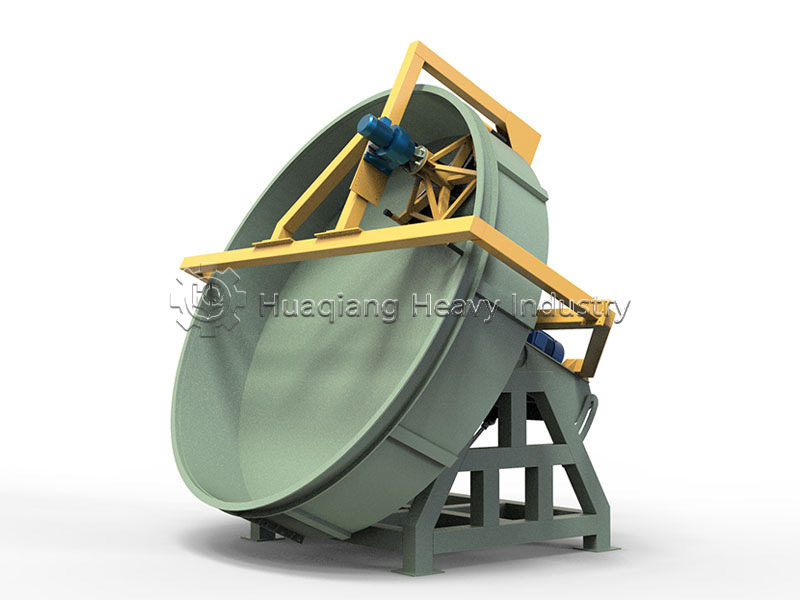
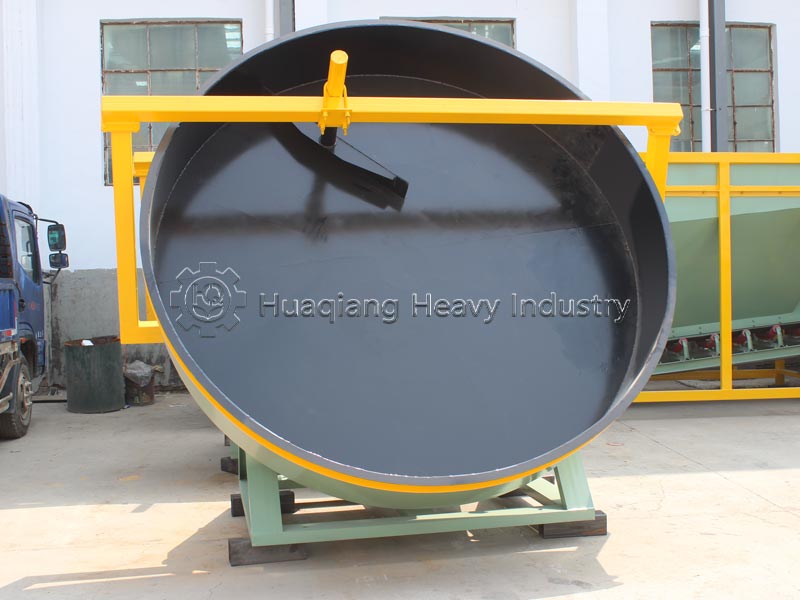
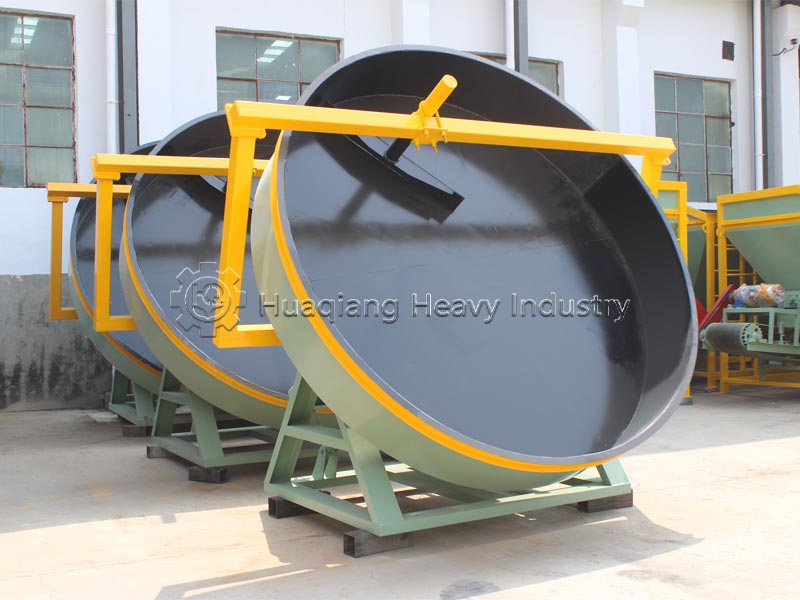
The disc granulator is a time-tested piece of wet granulation equipment in the fertilizer industry. Its operation is so intuitive it hardly requires explanation: a large, tilted disc rotates at a constant speed while powdered material and water are fed in separately; the material tumbles, adheres, and forms spheres on the disc surface before spilling over the edge. The equipment features a simple structure—comprising a motor, a gearbox, and a large disc with a ring gear, along with a spraying system and feed/discharge ports—enabling stable, long-term operation. For users seeking rugged durability, ease of operation, low maintenance, and a moderate investment, the disc granulator is a practical choice well worth considering.
Working Principle of Disc Granulator
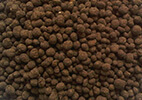
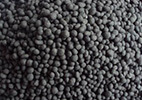
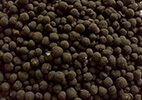
The granulation mechanism of the disc granulator is similar to the natural process of rolling a snowball. After falling into the tilted, rotating disc, the powder is carried to a certain height by friction against the disc surface and then rolls back down due to gravity, creating a continuous tumbling flow. Simultaneously, a spraying system applies atomized water or a binder solution; driven by liquid bridging forces, fine powder particles initially aggregate into tiny “seed” granules. As they continue to tumble, these granules come into contact with fresh powder, accumulating layers and growing in size. As the particle diameter and weight increase, centrifugal force gradually drives them toward the disc’s edge, where they eventually spill over as finished product.
Common Issues for Disc Granulator
Material Adhesion to the Disc: Material builds up in increasingly thick layers on the disc surface, hindering proper tumbling. This is usually caused by excessive water application or poor nozzle atomization, where large water droplets strike the surface directly and cause the powder to stick. High initial moisture content in the raw material can also lead to adhesion, necessitating moisture control at the source.
Uneven Particle Size: This is often caused by misalignment of the feed and spray points. The powder and water should land in the zone where the material tumbles most actively; if they land off-center, granulation rates will vary across the disc, resulting in uneven particle sizes. Severe localized wear or material buildup/crusting on the disc liner can disrupt the material’s normal tumbling trajectory; therefore, the condition of the disc surface requires regular inspection.
Abnormal vibration or noise during disc operation: This is typically caused by loose anchor bolts, excessive clearance due to main bearing wear, or poor meshing between the large ring gear and the pinion. The machine must be stopped immediately for inspection in such cases to prevent minor issues from escalating into major failures.
Maintenance Methods for Disc Granulator
After each production shift, clean off any residual material adhering to the disc surface to prevent it from drying and hardening, which could affect subsequent operations. Simultaneously, inspect the spray piping and nozzles; clear any blockages promptly to ensure uniform spraying during the next run. Listen to the operating sound to ensure it is normal; investigate immediately if any abnormal noise is detected.
On a weekly basis, apply grease to the main bearings, gearbox, and drive gears, or check their oil levels. Tighten all anchor bolts and connecting bolts to prevent loosening caused by prolonged vibration. Inspect the disc liner for wear; perform repair welding or replace liner segments if severe localized wear is found.
Monthly, check the meshing clearance between the large ring gear and the pinion, and inspect gear tooth surfaces for pitting or abnormal wear. Check the axial and radial clearances of the main shaft to determine if bearing adjustment or replacement is necessary. Remove impurities from the gearbox oil sump and decide whether to change the oil based on its condition.
Conduct a comprehensive overhaul annually, replacing aged seals and bearings that have exceeded wear limits. Thoroughly inspect the large ring gear and drive gears, replacing any that show excessive wear. Assess the overall condition of the disc, reapplying anti-corrosion coatings or replacing liner plates as needed.
Target Users
Small and medium-sized fertilizer processing plants: These facilities often operate with limited capital and smaller production scales, seeking to produce various types of granulated fertilizers with minimal equipment investment. The disc granulator is an ideal choice due to its cost-effectiveness, intuitive operation, and low technical requirements for operators.
Organic fertilizer composting facilities and livestock farms: For operations looking to process fermented livestock manure into granular organic fertilizer for sale or self-use, the disc granulator handles the stages from pulverizing fermented material to forming granules; when paired with drying and screening equipment, it enables the production of commercial-grade granular fertilizer. For building materials enterprises: It is used in established applications such as producing raw cement meal pellets, limestone powder pellets, and fly ash ceramsite. Materials roll into pellets within the pan before entering the kiln for calcination, resulting in pellets with high strength and good air permeability.
For entrepreneurs entering the fertilizer processing sector: The equipment operates on easily understood principles, is quick to master, and offers a short lead time from investment to production, facilitating a rapid start-up and quick capital recovery.
Disc Granulator Parameters
| Model | Capacity(t/h) | Diameter(mm) | Side Height(mm) | Rotation Speed(r/min) | Motor Power(Kw) |
| ZL-500 | 0.05-0.15 | 500 | 150 | 25 | 1.5 |
| ZL-800 | 0.1-0.3 | 800 | 200 | 25 | 1.5 |
| ZL-1000 | 0.1-0.35 | 1000 | 250 | 25 | 2.2 |
| ZL-1200 | 0.1-0.35 | 1200 | 250 | 25 | 3 |
| ZL-1500 | 0.3-1 | 1500 | 300 | 18 | 3 |
| ZL-1800 | 0.5-1.2 | 1800 | 350 | 18 | 4 |
| ZL-2000 | 0.5-1.5 | 2000 | 400 | 18 | 5.5 |
| ZL-2500 | 1-2.5 | 2500 | 400 | 13.6 | 7.5 |
| ZL-2800 | 2-3 | 2800 | 500 | 13.6 | 11 |
| ZL-3000 | 2-3 | 3000 | 500 | 11 | 11 |
| ZL-3200 | 3-5 | 3200 | 500 | 10 | 11 |
| ZL-3600 | 3.5-6 | 3600 | 500 | 10 | 18.5 |
