
Rotary Screener Machine
Rotary Screener Machine
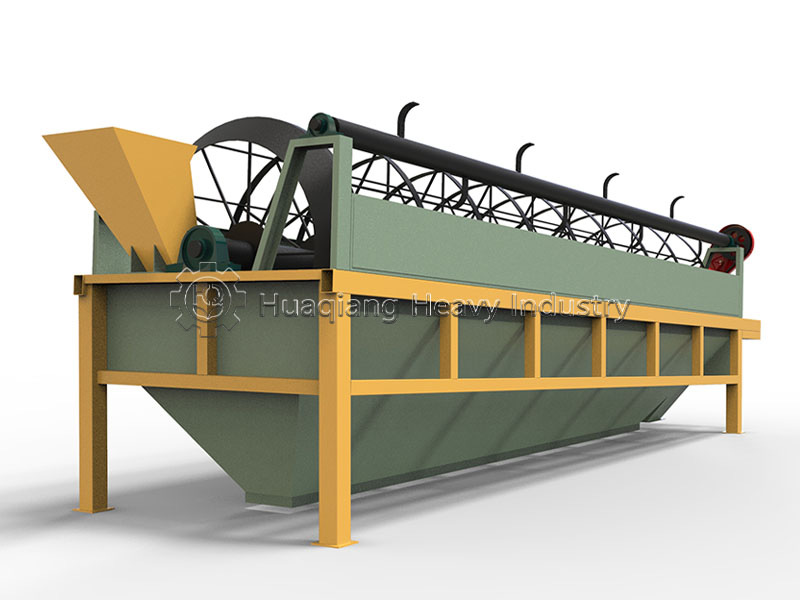
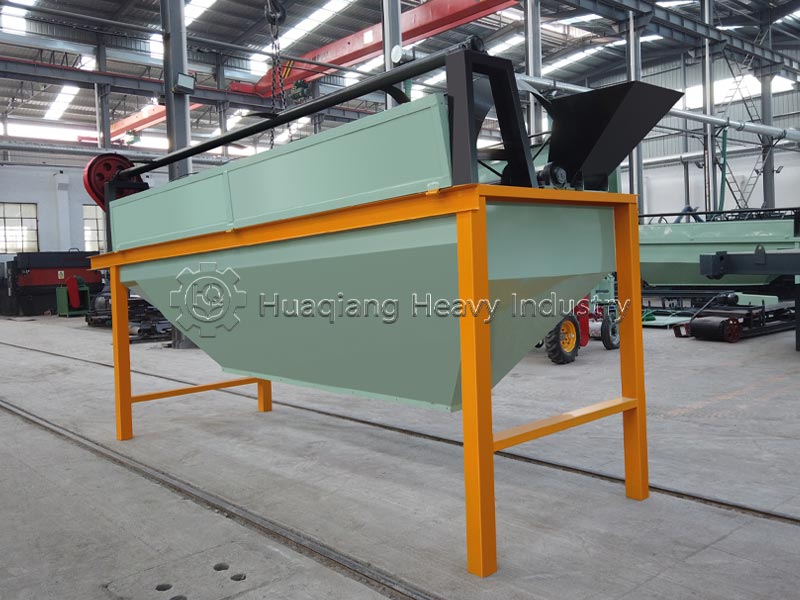
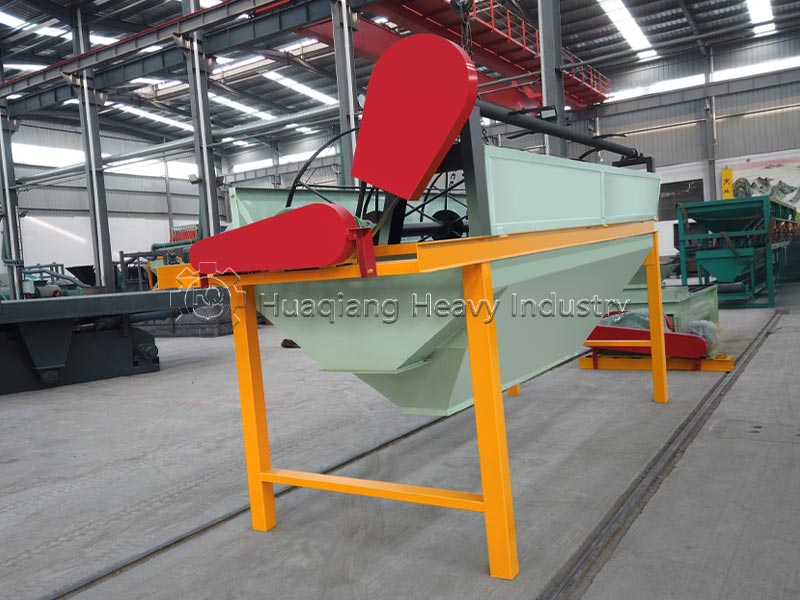
The rotary screening machine is a critical piece of quality control equipment in organic and compound fertilizer production lines, ensuring that the finished product meets particle size specifications. Since granules vary in size after the granulation process, screening is required to separate those that meet the standards; undersized fines are returned for re-granulation, while oversized granules are sent back for crushing. The machine performs this classification task within a rotating screen drum, where materials tumble gently, minimizing granule breakage. It can be configured with multi-layer screen drums to produce multiple particle size grades in a single screening pass. For fertilizer manufacturers prioritizing consistent particle size and visual quality, the rotary screening machine is an indispensable core component of the screening stage.
Working Principle
The screen drum is installed at a specific inclination and rotates at a constant speed, with material entering uniformly through the high-end inlet. Driven by the rotational friction of the drum, the material is lifted to a certain height before cascading down under gravity, undergoing continuous circumferential tumbling and axial movement. Particles smaller than the screen mesh size pass through the openings into the collection hopper during this tumbling process, while larger particles move along the drum toward the lower end and are discharged through the outlet. In a multi-layer drum configuration, material first passes through an inner, finer mesh to separate the fines, while the remaining coarser material proceeds to the outer mesh for further screening, thereby achieving multi-stage classification.
Equipment Components
Rotating Screen Body: Formed by rolling perforated plates, woven mesh, or polyurethane screen panels; available in single-layer or multi-layer configurations.
Support and Drive Assembly: The screen drum is supported at both ends by rollers or bearings and driven to rotate via gears or chains.
Feed Deflector: Located at the feed end to distribute material evenly across the inner wall of the drum and prevent uneven flow.
Discharge Chutes: Separate chutes direct undersize and oversize materials to their respective downstream conveying equipment.
Screen Cleaning System: Equipped with compressed air pulse cleaning or a mechanical vibration mechanism to promptly clear screen aperture blockages.
Dust-proof Enclosure: Fully encloses the screen drum to prevent dust escape; includes an access door for maintenance.
Inclination Adjustment Mechanism: Adjusts the frame height to alter the drum’s tilt angle, thereby controlling the material screening duration.
Operational Precautions
Before startup, inspect the drum interior for accumulated material or foreign objects, check the screen mesh for damage or blockages, and verify proper lubrication of drive chains and gears. Start the machine under no-load conditions; begin feeding material only after the drum is running smoothly.
Maintain a uniform and stable feed rate to avoid fluctuations that could impair screening efficiency. Monitor the material at the discharge outlets during operation: excessive large particles in the undersize fraction indicate mesh damage, while excessive fines in the oversize fraction suggest aperture blockages or an excessive feed rate.
Periodically check the operation of the external drum cleaning device to ensure screen apertures remain clear. Shut down the machine immediately for inspection if abnormal vibration or unusual noise occurs.
Stop feeding material before shutting down the machine; allow the drum to empty completely before stopping the main unit. For extended shutdowns, clean residual material from the screen surface to prevent rust and aperture clogging.
