
There is no "one-size-fits-all" organic fertilizer; the choice of manure-based fertilizer should be tailored to the specific soil type. Determining fertilizer needs based on soil characteristics—rather than focusing solely on the nutrient content of the manure—is a more practical and effective approach.
Heavy, Compacted Soil: Prioritize pig or chicken manure. Pig manure has a fine texture and excellent water and nutrient retention, which helps improve heavy, clay-like soils. Chicken manure is nutrient-rich and fast-acting, making it ideal for conditioning vegetable garden soil. However, both types have high salt content; therefore, application rates should be controlled in greenhouses used for continuous cropping, and they are best used in combination with straw or similar organic amendments.
Sandy, Nutrient-Poor Soil: Prioritize cattle manure. Cattle manure is high in fiber and decomposes slowly, providing long-lasting fertility. It enhances soil buffering capacity and water retention, making it the best choice for thin, sandy soils or newly reclaimed land. Since its nutrient content is relatively low when used alone, it can be supplemented with a small amount of chicken manure or chemical fertilizers.
Acidic Soil: Prioritize sheep manure. Sheep manure is considered a "warm" fertilizer; once fully decomposed, it becomes slightly alkaline and is rich in calcium and magnesium. It helps neutralize soil acidity and replenish calcium, while its loose, porous structure facilitates deeper soil improvement. Ensure it is thoroughly decomposed before use.
 Saline-Alkali Soil: Use chicken manure with caution; cattle manure mixed with straw is a better choice. Chicken manure contains high levels of salt and uric acid, which can exacerbate salt-related damage. Cattle manure has a relatively lower salt content, and when combined with straw, it helps improve soil structure and suppress the accumulation of salts at the surface. Always test the salt content of the raw material before application and manage the dosage carefully.
Greenhouse Soil (Continuous Cropping): Alternate between pig and cattle manure. Greenhouse soils are prone to salinization and the buildup of pathogens. It is advisable to use thoroughly decomposed pig or cattle manure, alternating between the two and incorporating functional microbial agents to prevent nutrient imbalances that can arise from relying on a single source of manure.
Equipment required for processing. Equipment configuration is determined by the specific characteristics of the manure: high-moisture chicken or pig manure must first undergo dewatering via a solid-liquid separator; cattle manure, which contains coarse fibers, requires a high-torque compost turner during the fermentation stage; fully composted material is refined using a cage fertilizer crusher; for granulation, the choice between a disc granulator or a flat die pelleting machine depends on the intended product specifications; finally, the material passes through a screener machine and is bagged by a packaging machine. The key lies in matching the equipment to the moisture content and fiber properties of the raw materials, ensuring that the resulting organic fertilizer is precisely tailored to its intended application.
 Saline-Alkali Soil: Use chicken manure with caution; cattle manure mixed with straw is a better choice. Chicken manure contains high levels of salt and uric acid, which can exacerbate salt-related damage. Cattle manure has a relatively lower salt content, and when combined with straw, it helps improve soil structure and suppress the accumulation of salts at the surface. Always test the salt content of the raw material before application and manage the dosage carefully.
Greenhouse Soil (Continuous Cropping): Alternate between pig and cattle manure. Greenhouse soils are prone to salinization and the buildup of pathogens. It is advisable to use thoroughly decomposed pig or cattle manure, alternating between the two and incorporating functional microbial agents to prevent nutrient imbalances that can arise from relying on a single source of manure.
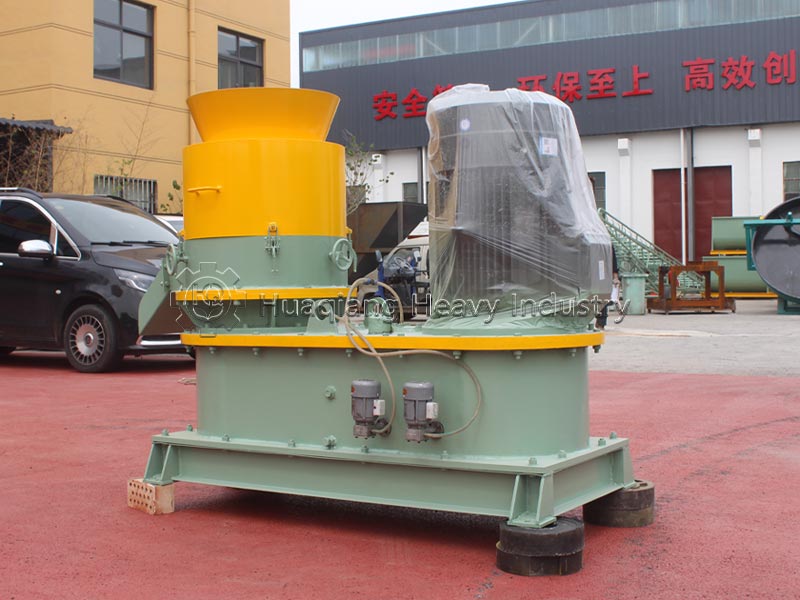
Equipment required for processing. Equipment configuration is determined by the specific characteristics of the manure: high-moisture chicken or pig manure must first undergo dewatering via a solid-liquid separator; cattle manure, which contains coarse fibers, requires a high-torque compost turner during the fermentation stage; fully composted material is refined using a cage fertilizer crusher; for granulation, the choice between a disc granulator or a flat die pelleting machine depends on the intended product specifications; finally, the material passes through a screener machine and is bagged by a packaging machine. The key lies in matching the equipment to the moisture content and fiber properties of the raw materials, ensuring that the resulting organic fertilizer is precisely tailored to its intended application.
