
Self-propelled fertilizer compost turners are simple in structure and cost-effective, making them a common fermentation equipment for small organic fertilizer plants and livestock farmers. Proper daily maintenance can significantly reduce the failure rate and extend the equipment's lifespan. Before daily operation, check all bolts and frame welds for looseness, ensure adequate tire pressure, and inspect the rake teeth for wear and deformation. Tighten or replace any faulty parts immediately.
When operating a self-propelled fertilizer compost turner, it is strictly forbidden to overload the machine and pile material too thickly. The material pile height should be controlled within a reasonable range to avoid motor overload and rake tooth bending. Hard stones and large debris should not be allowed to enter the pile to prevent damage to the turning rotor. After each operation, promptly clean the machine body and between the rake teeth of any residual manure, straw, and other debris to prevent moisture corrosion and jamming.
 Regularly lubricate the reducer and traveling bearings to ensure smooth operation of the transmission parts. Check the electrical circuits and switches for aging or damage, and take waterproofing measures to prevent short circuits due to rain. When the machine is not in use for an extended period, it should be cleaned thoroughly, placed in a dry and well-ventilated area, and covered to prevent rain and rust. By adhering to standard daily maintenance procedures, the self-propelled fertilizer compost turner can operate stably year-round, with low maintenance costs and a significantly extended service life, saving users long-term investment costs.
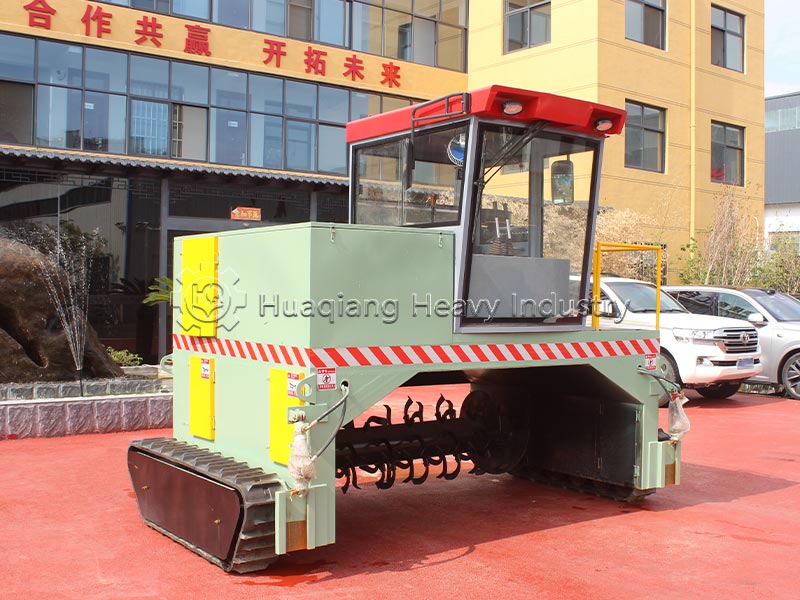 Regularly lubricate the reducer and traveling bearings to ensure smooth operation of the transmission parts. Check the electrical circuits and switches for aging or damage, and take waterproofing measures to prevent short circuits due to rain. When the machine is not in use for an extended period, it should be cleaned thoroughly, placed in a dry and well-ventilated area, and covered to prevent rain and rust. By adhering to standard daily maintenance procedures, the self-propelled fertilizer compost turner can operate stably year-round, with low maintenance costs and a significantly extended service life, saving users long-term investment costs.