
Cattle farms generate vast amounts of manure daily; if mismanaged, it becomes an environmental liability, but if handled correctly, it turns into a source of profit. Installing a cattle manure organic fertilizer production line is becoming an increasingly popular choice for cattle farms.
1.Determining Capacity Based on Herd Size
An adult cow produces approximately 20 kg of fresh manure daily, meaning a farm with 1,000 head generates 20 tons per day. Based on a 15-day fermentation cycle and a pile height of 1.5 meters, the fermentation trough requires an area of about 300 square meters. Including zones for maturation, processing, and finished products, the entire line occupies roughly 1 to 2 mu (approx. 667–1,334 square meters). Equipment selection varies significantly with scale; one should avoid simply copying plans designed for large-scale industrial plants.
2.Core Process: A Three-Stage Layout
The first stage is the pre-treatment zone. Cattle manure has a moisture content as high as 80%; it must first be squeezed by a solid-liquid separator to reduce moisture to around 60%. It is then mixed with auxiliary materials—such as straw or rice husks—to adjust the carbon-to-nitrogen ratio and permeability. This step directly determines whether the subsequent fermentation process can successfully generate the necessary heat.
 The second stage is the fermentation zone, the heart of the entire line. Because cattle manure fibers are coarse and the pile is dense, standard compost turners tend to slip. High-torque chain-plate or large wheel compost turning machines are recommended; these can turn material to a depth of over 1 meter. Combined with aeration at the bottom of the trough, this ensures uniform and thorough aerobic fermentation. Temperatures are maintained between 55°C and 65°C, achieving high-temperature decomposition within 7 to 10 days.
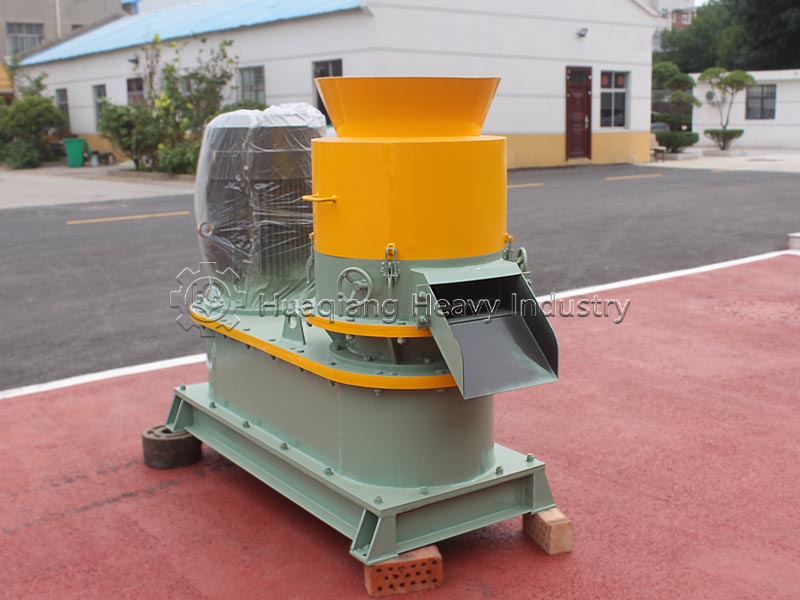
The third stage is the processing zone. After the decomposed material undergoes a maturation period, it is crushed, screened, and fed into the granulation stage. Cattle manure lacks sufficient natural adhesiveness, resulting in low pelletizing rates with disc granulators. Therefore, flat die pelleting machines are recommended; they utilize physical extrusion to form pellets, resulting in high pellet strength without the need for binders. Finally, the product is screened and packaged as commercial organic fertilizer.
3.Three Benefits in One
It alleviates environmental pressure and eliminates the headaches associated with waste discharge; it transforms cattle manure into fertilizer selling for hundreds of yuan per ton; and by returning the fertilizer to the fields, it reduces chemical fertilizer usage and fosters a circular system integrating crop farming and livestock raising. A well-suited organic cattle manure fertilizer production line enables cattle farms to turn a "manure problem" into a "manure treasure."
The second stage is the fermentation zone, the heart of the entire line. Because cattle manure fibers are coarse and the pile is dense, standard compost turners tend to slip. High-torque chain-plate or large wheel compost turning machines are recommended; these can turn material to a depth of over 1 meter. Combined with aeration at the bottom of the trough, this ensures uniform and thorough aerobic fermentation. Temperatures are maintained between 55°C and 65°C, achieving high-temperature decomposition within 7 to 10 days.
The third stage is the processing zone. After the decomposed material undergoes a maturation period, it is crushed, screened, and fed into the granulation stage. Cattle manure lacks sufficient natural adhesiveness, resulting in low pelletizing rates with disc granulators. Therefore, flat die pelleting machines are recommended; they utilize physical extrusion to form pellets, resulting in high pellet strength without the need for binders. Finally, the product is screened and packaged as commercial organic fertilizer.
3.Three Benefits in One
It alleviates environmental pressure and eliminates the headaches associated with waste discharge; it transforms cattle manure into fertilizer selling for hundreds of yuan per ton; and by returning the fertilizer to the fields, it reduces chemical fertilizer usage and fosters a circular system integrating crop farming and livestock raising. A well-suited organic cattle manure fertilizer production line enables cattle farms to turn a "manure problem" into a "manure treasure."
 The second stage is the fermentation zone, the heart of the entire line. Because cattle manure fibers are coarse and the pile is dense, standard compost turners tend to slip. High-torque chain-plate or large wheel compost turning machines are recommended; these can turn material to a depth of over 1 meter. Combined with aeration at the bottom of the trough, this ensures uniform and thorough aerobic fermentation. Temperatures are maintained between 55°C and 65°C, achieving high-temperature decomposition within 7 to 10 days.
The third stage is the processing zone. After the decomposed material undergoes a maturation period, it is crushed, screened, and fed into the granulation stage. Cattle manure lacks sufficient natural adhesiveness, resulting in low pelletizing rates with disc granulators. Therefore, flat die pelleting machines are recommended; they utilize physical extrusion to form pellets, resulting in high pellet strength without the need for binders. Finally, the product is screened and packaged as commercial organic fertilizer.
3.Three Benefits in One
It alleviates environmental pressure and eliminates the headaches associated with waste discharge; it transforms cattle manure into fertilizer selling for hundreds of yuan per ton; and by returning the fertilizer to the fields, it reduces chemical fertilizer usage and fosters a circular system integrating crop farming and livestock raising. A well-suited organic cattle manure fertilizer production line enables cattle farms to turn a "manure problem" into a "manure treasure."
The second stage is the fermentation zone, the heart of the entire line. Because cattle manure fibers are coarse and the pile is dense, standard compost turners tend to slip. High-torque chain-plate or large wheel compost turning machines are recommended; these can turn material to a depth of over 1 meter. Combined with aeration at the bottom of the trough, this ensures uniform and thorough aerobic fermentation. Temperatures are maintained between 55°C and 65°C, achieving high-temperature decomposition within 7 to 10 days.
The third stage is the processing zone. After the decomposed material undergoes a maturation period, it is crushed, screened, and fed into the granulation stage. Cattle manure lacks sufficient natural adhesiveness, resulting in low pelletizing rates with disc granulators. Therefore, flat die pelleting machines are recommended; they utilize physical extrusion to form pellets, resulting in high pellet strength without the need for binders. Finally, the product is screened and packaged as commercial organic fertilizer.
3.Three Benefits in One
It alleviates environmental pressure and eliminates the headaches associated with waste discharge; it transforms cattle manure into fertilizer selling for hundreds of yuan per ton; and by returning the fertilizer to the fields, it reduces chemical fertilizer usage and fosters a circular system integrating crop farming and livestock raising. A well-suited organic cattle manure fertilizer production line enables cattle farms to turn a "manure problem" into a "manure treasure." 