
Currently, the quality of organic fertilizer products varies greatly. Low-end fertilizers often suffer from incomplete decomposition, high levels of impurities, poor fertilizer efficiency, and the risk of burning seedlings. High-quality organic fertilizers, with their advantages of safety, stability, and outstanding soil improvement effects, enjoy greater market acceptance. To consistently produce high-quality organic fertilizer, abandon the extensive sun-drying processing method and implement systematic management of the entire process, from raw materials to fermentation, processing, and testing.
First, strictly select raw materials and scientifically proportion them. Prioritize agricultural raw materials such as livestock and poultry manure, straw, and humic acid that are free from heavy metal contamination and have good decomposition, while eliminating industrial waste and polluting residues. Simultaneously, adjust the carbon-to-nitrogen ratio according to the characteristics of the raw materials, regulate the moisture content of the materials, and adapt them to fermentation requirements, preventing quality problems such as root burn and strong odors from the source.
 Second, meticulously manage the aerobic fermentation process; this is key to improving quality. Most defects in low-end organic fertilizers stem from incomplete fermentation. During production, a good aerobic environment must be maintained. Regularly using an organic fertilizer compost turning machine to turn and agitate the compost, dissipate heat and remove moisture, and precisely control the fermentation temperature are crucial to thoroughly kill pathogens, insect eggs, and weed seeds, completing the harmless treatment of the material and ensuring uniform decomposition, stable organic matter, and no pungent odor.
Finally, meticulous processing and finished product testing are essential. The fermented material is crushed, sieved, and impurities are removed to eliminate lumps and impurities. Depending on the requirements, it is processed into powdered or granular organic fertilizer. Simultaneously, strict testing of key indicators such as organic matter, moisture, and pH is conducted on the finished product. Substandard products are discarded, and standardized storage conditions are maintained to prevent secondary fermentation and ensure consistent batch quality.
Second, meticulously manage the aerobic fermentation process; this is key to improving quality. Most defects in low-end organic fertilizers stem from incomplete fermentation. During production, a good aerobic environment must be maintained. Regularly using an organic fertilizer compost turning machine to turn and agitate the compost, dissipate heat and remove moisture, and precisely control the fermentation temperature are crucial to thoroughly kill pathogens, insect eggs, and weed seeds, completing the harmless treatment of the material and ensuring uniform decomposition, stable organic matter, and no pungent odor.
Finally, meticulous processing and finished product testing are essential. The fermented material is crushed, sieved, and impurities are removed to eliminate lumps and impurities. Depending on the requirements, it is processed into powdered or granular organic fertilizer. Simultaneously, strict testing of key indicators such as organic matter, moisture, and pH is conducted on the finished product. Substandard products are discarded, and standardized storage conditions are maintained to prevent secondary fermentation and ensure consistent batch quality.
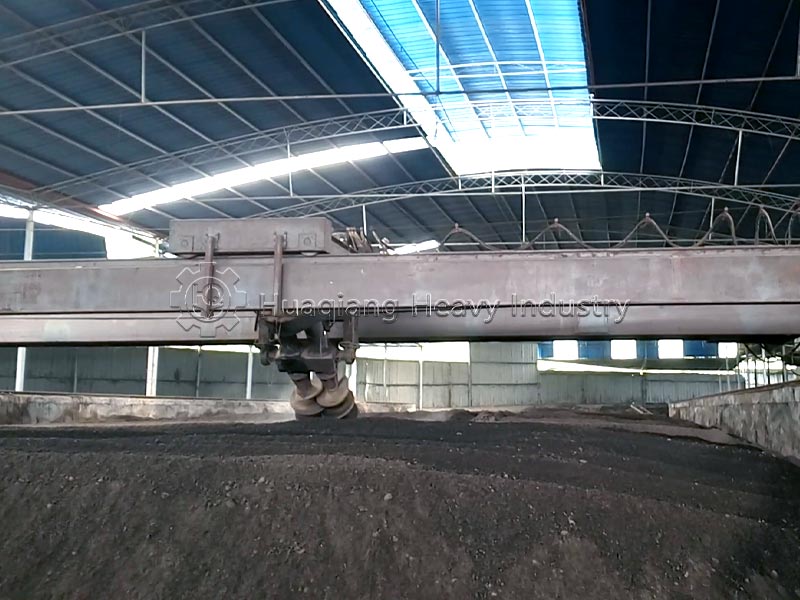 Second, meticulously manage the aerobic fermentation process; this is key to improving quality. Most defects in low-end organic fertilizers stem from incomplete fermentation. During production, a good aerobic environment must be maintained. Regularly using an organic fertilizer compost turning machine to turn and agitate the compost, dissipate heat and remove moisture, and precisely control the fermentation temperature are crucial to thoroughly kill pathogens, insect eggs, and weed seeds, completing the harmless treatment of the material and ensuring uniform decomposition, stable organic matter, and no pungent odor.
Finally, meticulous processing and finished product testing are essential. The fermented material is crushed, sieved, and impurities are removed to eliminate lumps and impurities. Depending on the requirements, it is processed into powdered or granular organic fertilizer. Simultaneously, strict testing of key indicators such as organic matter, moisture, and pH is conducted on the finished product. Substandard products are discarded, and standardized storage conditions are maintained to prevent secondary fermentation and ensure consistent batch quality.
Second, meticulously manage the aerobic fermentation process; this is key to improving quality. Most defects in low-end organic fertilizers stem from incomplete fermentation. During production, a good aerobic environment must be maintained. Regularly using an organic fertilizer compost turning machine to turn and agitate the compost, dissipate heat and remove moisture, and precisely control the fermentation temperature are crucial to thoroughly kill pathogens, insect eggs, and weed seeds, completing the harmless treatment of the material and ensuring uniform decomposition, stable organic matter, and no pungent odor.
Finally, meticulous processing and finished product testing are essential. The fermented material is crushed, sieved, and impurities are removed to eliminate lumps and impurities. Depending on the requirements, it is processed into powdered or granular organic fertilizer. Simultaneously, strict testing of key indicators such as organic matter, moisture, and pH is conducted on the finished product. Substandard products are discarded, and standardized storage conditions are maintained to prevent secondary fermentation and ensure consistent batch quality. 