The Disc Granulator: Where Organic Fertilizer Takes Its Perfect Shape
In the symphony of organic fertilizer production, one machine conducts a particularly elegant performance—the organic fertilizer disc granulator. This seemingly simple rotating pan is where the magic of transformation occurs, turning heterogeneous organic matter into uniform, dense pellets ready to nourish crops and soil. Unlike industrial chemical processes, this machine works with the natural properties of organic material, creating value through gentle, precise mechanical action.
The Core Principle: Nature Meets Precision Engineering
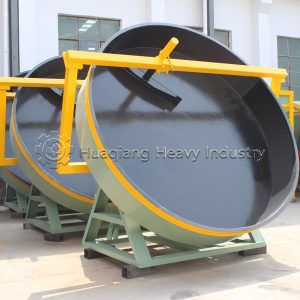
The disc granulator operates on an elegantly simple principle that resembles natural accretion processes. An inclined, rotating pan—typically 2 to 6 meters in diameter—receives prepared organic material. As the disc rotates at 10-25 RPM, material climbs up the side before cascading down in a continuous curtain-like flow. When a liquid binder (often water or a natural adhesive solution) is sprayed onto this moving bed, fine particles begin to adhere to one another, growing layer by layer into spherical pellets. The disc's angle (typically 35-55 degrees), rotation speed, and moisture content are precisely controlled to determine final pellet size—usually between 2 and 8 millimeters.
Why This Technology Endures: Key Advantages for Organic ProductionSuperior Product Quality & Market Appeal
The disc granulator produces exceptionally spherical, uniform pellets with smooth surfaces. This premium appearance significantly enhances marketability compared to irregularly shaped alternatives. The dense, consistent pellets flow freely through planting equipment and release nutrients more predictably.
Unmatched Process Visibility & Control
Unlike enclosed granulation systems, the entire pellet-forming process is visible to the operator. This transparency allows for immediate observation and adjustment—critical when working with variable organic feedstocks. Operators can literally watch pellets grow and make real-time modifications to disc angle, rotation speed, or moisture addition.
Energy Efficiency & Operational Economy
With no requirement for high-pressure systems or intense thermal input (beyond what drying may require), disc granulators operate with remarkable energy efficiency. Their mechanical simplicity translates to lower maintenance costs and easier operation compared to more complex granulation systems.
Gentle Processing for Sensitive Materials
Organic components—compost, manure, plant meals, microbial additives—often contain living organisms or heat-sensitive compounds. The disc granulator's gentle rolling action preserves these valuable components far better than high-shear or high-temperature alternatives.
The Complete Organic Production Ecosystem
A well-designed disc granulation system functions as the heart of an integrated production line:
Preparation Stage: Properly composted and screened organic material, mixed with necessary amendments in a double shaft blender, provides consistent feedstock.
Granulation Core: The disc granulator forms pellets with precisely controlled moisture addition, often using natural binders like lignosulfonates or plant-based adhesives.
Curing & Stabilization: A low-temperature dryer gently reduces moisture without damaging organic components, followed by cooling to stabilize the pellets.
Quality Enhancement: An optional coating drum can apply protective coatings or add beneficial microbes to the finished pellets.
Packaging & Distribution: Automated weighing and bagging systems prepare the product for market, often with integrated metal detection and checkweighing for quality assurance.
Comparative Analysis: Choosing the Right Granulation Path
The Evolution: Smarter, More Sustainable Systems
Modern disc granulation technology continues to advance through several key innovations:
Intelligent Control Systems: Vision-based monitoring with AI algorithms now automatically adjusts disc parameters based on real-time pellet size analysis, maintaining consistent quality despite feedstock variations.
Precision Moisture Management: Advanced spray systems with droplet size control apply exactly the right amount of binder exactly where needed, optimizing pellet strength while minimizing drying energy.
IoT Integration & Predictive Maintenance: Continuous monitoring of bearing temperatures, vibration patterns, and motor performance enables predictive maintenance scheduling and remote troubleshooting.
Sustainable Design Innovations: Improved sealing systems capture and recycle dust, water recycling circuits minimize consumption, and designs optimized for biodegradable binders support circular economy principles.

 The Core Principle: Nature Meets Precision Engineering
The disc granulator operates on an elegantly simple principle that resembles natural accretion processes. An inclined, rotating pan—typically 2 to 6 meters in diameter—receives prepared organic material. As the disc rotates at 10-25 RPM, material climbs up the side before cascading down in a continuous curtain-like flow. When a liquid binder (often water or a natural adhesive solution) is sprayed onto this moving bed, fine particles begin to adhere to one another, growing layer by layer into spherical pellets. The disc's angle (typically 35-55 degrees), rotation speed, and moisture content are precisely controlled to determine final pellet size—usually between 2 and 8 millimeters.
Why This Technology Endures: Key Advantages for Organic Production
Superior Product Quality & Market Appeal
The disc granulator produces exceptionally spherical, uniform pellets with smooth surfaces. This premium appearance significantly enhances marketability compared to irregularly shaped alternatives. The dense, consistent pellets flow freely through planting equipment and release nutrients more predictably.
Unmatched Process Visibility & Control
Unlike enclosed granulation systems, the entire pellet-forming process is visible to the operator. This transparency allows for immediate observation and adjustment—critical when working with variable organic feedstocks. Operators can literally watch pellets grow and make real-time modifications to disc angle, rotation speed, or moisture addition.
Energy Efficiency & Operational Economy
With no requirement for high-pressure systems or intense thermal input (beyond what drying may require), disc granulators operate with remarkable energy efficiency. Their mechanical simplicity translates to lower maintenance costs and easier operation compared to more complex granulation systems.
Gentle Processing for Sensitive Materials
Organic components—compost, manure, plant meals, microbial additives—often contain living organisms or heat-sensitive compounds. The disc granulator's gentle rolling action preserves these valuable components far better than high-shear or high-temperature alternatives.
The Complete Organic Production Ecosystem
A well-designed disc granulation system functions as the heart of an integrated production line:
Preparation Stage: Properly composted and screened organic material, mixed with necessary amendments in a double shaft blender, provides consistent feedstock.
Granulation Core: The disc granulator forms pellets with precisely controlled moisture addition, often using natural binders like lignosulfonates or plant-based adhesives.
Curing & Stabilization: A low-temperature dryer gently reduces moisture without damaging organic components, followed by cooling to stabilize the pellets.
Quality Enhancement: An optional coating drum can apply protective coatings or add beneficial microbes to the finished pellets.
Packaging & Distribution: Automated weighing and bagging systems prepare the product for market, often with integrated metal detection and checkweighing for quality assurance.
Comparative Analysis: Choosing the Right Granulation Path
The Core Principle: Nature Meets Precision Engineering
The disc granulator operates on an elegantly simple principle that resembles natural accretion processes. An inclined, rotating pan—typically 2 to 6 meters in diameter—receives prepared organic material. As the disc rotates at 10-25 RPM, material climbs up the side before cascading down in a continuous curtain-like flow. When a liquid binder (often water or a natural adhesive solution) is sprayed onto this moving bed, fine particles begin to adhere to one another, growing layer by layer into spherical pellets. The disc's angle (typically 35-55 degrees), rotation speed, and moisture content are precisely controlled to determine final pellet size—usually between 2 and 8 millimeters.
Why This Technology Endures: Key Advantages for Organic Production
Superior Product Quality & Market Appeal
The disc granulator produces exceptionally spherical, uniform pellets with smooth surfaces. This premium appearance significantly enhances marketability compared to irregularly shaped alternatives. The dense, consistent pellets flow freely through planting equipment and release nutrients more predictably.
Unmatched Process Visibility & Control
Unlike enclosed granulation systems, the entire pellet-forming process is visible to the operator. This transparency allows for immediate observation and adjustment—critical when working with variable organic feedstocks. Operators can literally watch pellets grow and make real-time modifications to disc angle, rotation speed, or moisture addition.
Energy Efficiency & Operational Economy
With no requirement for high-pressure systems or intense thermal input (beyond what drying may require), disc granulators operate with remarkable energy efficiency. Their mechanical simplicity translates to lower maintenance costs and easier operation compared to more complex granulation systems.
Gentle Processing for Sensitive Materials
Organic components—compost, manure, plant meals, microbial additives—often contain living organisms or heat-sensitive compounds. The disc granulator's gentle rolling action preserves these valuable components far better than high-shear or high-temperature alternatives.
The Complete Organic Production Ecosystem
A well-designed disc granulation system functions as the heart of an integrated production line:
Preparation Stage: Properly composted and screened organic material, mixed with necessary amendments in a double shaft blender, provides consistent feedstock.
Granulation Core: The disc granulator forms pellets with precisely controlled moisture addition, often using natural binders like lignosulfonates or plant-based adhesives.
Curing & Stabilization: A low-temperature dryer gently reduces moisture without damaging organic components, followed by cooling to stabilize the pellets.
Quality Enhancement: An optional coating drum can apply protective coatings or add beneficial microbes to the finished pellets.
Packaging & Distribution: Automated weighing and bagging systems prepare the product for market, often with integrated metal detection and checkweighing for quality assurance.
Comparative Analysis: Choosing the Right Granulation Path
 The Core Principle: Nature Meets Precision Engineering
The disc granulator operates on an elegantly simple principle that resembles natural accretion processes. An inclined, rotating pan—typically 2 to 6 meters in diameter—receives prepared organic material. As the disc rotates at 10-25 RPM, material climbs up the side before cascading down in a continuous curtain-like flow. When a liquid binder (often water or a natural adhesive solution) is sprayed onto this moving bed, fine particles begin to adhere to one another, growing layer by layer into spherical pellets. The disc's angle (typically 35-55 degrees), rotation speed, and moisture content are precisely controlled to determine final pellet size—usually between 2 and 8 millimeters.
Why This Technology Endures: Key Advantages for Organic Production
Superior Product Quality & Market Appeal
The disc granulator produces exceptionally spherical, uniform pellets with smooth surfaces. This premium appearance significantly enhances marketability compared to irregularly shaped alternatives. The dense, consistent pellets flow freely through planting equipment and release nutrients more predictably.
Unmatched Process Visibility & Control
Unlike enclosed granulation systems, the entire pellet-forming process is visible to the operator. This transparency allows for immediate observation and adjustment—critical when working with variable organic feedstocks. Operators can literally watch pellets grow and make real-time modifications to disc angle, rotation speed, or moisture addition.
Energy Efficiency & Operational Economy
With no requirement for high-pressure systems or intense thermal input (beyond what drying may require), disc granulators operate with remarkable energy efficiency. Their mechanical simplicity translates to lower maintenance costs and easier operation compared to more complex granulation systems.
Gentle Processing for Sensitive Materials
Organic components—compost, manure, plant meals, microbial additives—often contain living organisms or heat-sensitive compounds. The disc granulator's gentle rolling action preserves these valuable components far better than high-shear or high-temperature alternatives.
The Complete Organic Production Ecosystem
A well-designed disc granulation system functions as the heart of an integrated production line:
Preparation Stage: Properly composted and screened organic material, mixed with necessary amendments in a double shaft blender, provides consistent feedstock.
Granulation Core: The disc granulator forms pellets with precisely controlled moisture addition, often using natural binders like lignosulfonates or plant-based adhesives.
Curing & Stabilization: A low-temperature dryer gently reduces moisture without damaging organic components, followed by cooling to stabilize the pellets.
Quality Enhancement: An optional coating drum can apply protective coatings or add beneficial microbes to the finished pellets.
Packaging & Distribution: Automated weighing and bagging systems prepare the product for market, often with integrated metal detection and checkweighing for quality assurance.
Comparative Analysis: Choosing the Right Granulation Path
The Core Principle: Nature Meets Precision Engineering
The disc granulator operates on an elegantly simple principle that resembles natural accretion processes. An inclined, rotating pan—typically 2 to 6 meters in diameter—receives prepared organic material. As the disc rotates at 10-25 RPM, material climbs up the side before cascading down in a continuous curtain-like flow. When a liquid binder (often water or a natural adhesive solution) is sprayed onto this moving bed, fine particles begin to adhere to one another, growing layer by layer into spherical pellets. The disc's angle (typically 35-55 degrees), rotation speed, and moisture content are precisely controlled to determine final pellet size—usually between 2 and 8 millimeters.
Why This Technology Endures: Key Advantages for Organic Production
Superior Product Quality & Market Appeal
The disc granulator produces exceptionally spherical, uniform pellets with smooth surfaces. This premium appearance significantly enhances marketability compared to irregularly shaped alternatives. The dense, consistent pellets flow freely through planting equipment and release nutrients more predictably.
Unmatched Process Visibility & Control
Unlike enclosed granulation systems, the entire pellet-forming process is visible to the operator. This transparency allows for immediate observation and adjustment—critical when working with variable organic feedstocks. Operators can literally watch pellets grow and make real-time modifications to disc angle, rotation speed, or moisture addition.
Energy Efficiency & Operational Economy
With no requirement for high-pressure systems or intense thermal input (beyond what drying may require), disc granulators operate with remarkable energy efficiency. Their mechanical simplicity translates to lower maintenance costs and easier operation compared to more complex granulation systems.
Gentle Processing for Sensitive Materials
Organic components—compost, manure, plant meals, microbial additives—often contain living organisms or heat-sensitive compounds. The disc granulator's gentle rolling action preserves these valuable components far better than high-shear or high-temperature alternatives.
The Complete Organic Production Ecosystem
A well-designed disc granulation system functions as the heart of an integrated production line:
Preparation Stage: Properly composted and screened organic material, mixed with necessary amendments in a double shaft blender, provides consistent feedstock.
Granulation Core: The disc granulator forms pellets with precisely controlled moisture addition, often using natural binders like lignosulfonates or plant-based adhesives.
Curing & Stabilization: A low-temperature dryer gently reduces moisture without damaging organic components, followed by cooling to stabilize the pellets.
Quality Enhancement: An optional coating drum can apply protective coatings or add beneficial microbes to the finished pellets.
Packaging & Distribution: Automated weighing and bagging systems prepare the product for market, often with integrated metal detection and checkweighing for quality assurance.
Comparative Analysis: Choosing the Right Granulation Path
