
The NPK fertilizer production line is a complete set of equipment for producing nitrogen, phosphorus, and potassium (NPK) compound fertilizer. It processes raw materials such as urea, monoammonium phosphate (MAP), and potassium chloride into uniformly granulated compound fertilizer. The entire production line has a complete process and clearly defined equipment division of labor, achieving automated continuous production from raw materials to finished products.
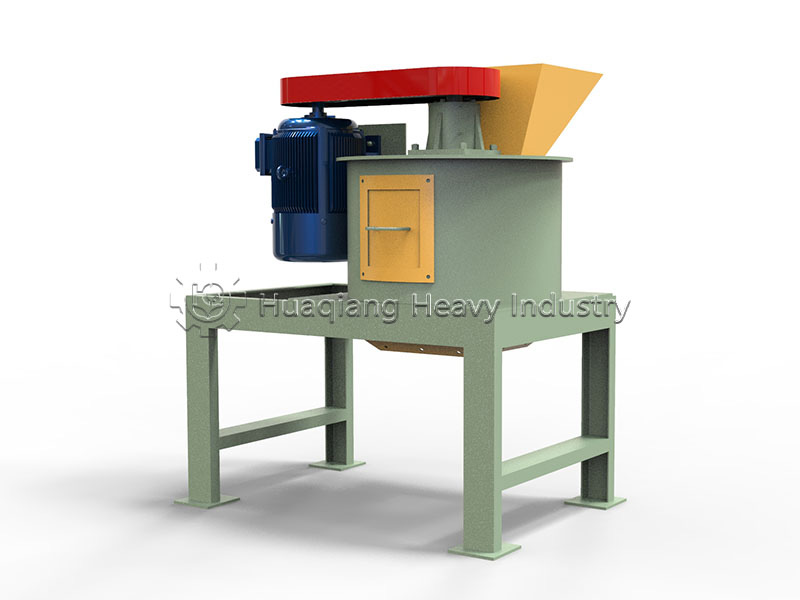
The production process begins with the raw material crushing equipment. Raw materials such as urea, ammonium chloride, and MAP are mostly in lumps and need to be crushed by a fertilizer crusher. Its working principle is to use high-speed rotating hammers to crush the materials to a fine powder of 80 mesh or higher, providing conditions for subsequent mixing and granulation.
 The crushed raw materials enter the automatic batching system. This system consists of a hopper, electronic belt scale, and screw conveyor. It automatically weighs and batches the materials according to the set NPK ratio, ensuring accurate addition of each raw material. After batching, the materials enter a horizontal mixer to thoroughly mix the various raw materials.
The mixed material is then fed into the fertilizer granulator, which is the core equipment of the production line. The rotary drum fertilizer granulator uses a rotating drum to continuously tumble the material inside, forming granules under the action of a binder. The granulated granules are then dried in a dryer to remove moisture and cooled in a cooler to increase their hardness.
Finally, qualified granules are screened by a screening machine and weighed and sealed by an automatic packaging machine. The entire NPK fertilizer production line relies on the coordinated work of all equipment to achieve highly efficient production from raw materials to finished products.
The crushed raw materials enter the automatic batching system. This system consists of a hopper, electronic belt scale, and screw conveyor. It automatically weighs and batches the materials according to the set NPK ratio, ensuring accurate addition of each raw material. After batching, the materials enter a horizontal mixer to thoroughly mix the various raw materials.
The mixed material is then fed into the fertilizer granulator, which is the core equipment of the production line. The rotary drum fertilizer granulator uses a rotating drum to continuously tumble the material inside, forming granules under the action of a binder. The granulated granules are then dried in a dryer to remove moisture and cooled in a cooler to increase their hardness.
Finally, qualified granules are screened by a screening machine and weighed and sealed by an automatic packaging machine. The entire NPK fertilizer production line relies on the coordinated work of all equipment to achieve highly efficient production from raw materials to finished products.
 The crushed raw materials enter the automatic batching system. This system consists of a hopper, electronic belt scale, and screw conveyor. It automatically weighs and batches the materials according to the set NPK ratio, ensuring accurate addition of each raw material. After batching, the materials enter a horizontal mixer to thoroughly mix the various raw materials.
The mixed material is then fed into the fertilizer granulator, which is the core equipment of the production line. The rotary drum fertilizer granulator uses a rotating drum to continuously tumble the material inside, forming granules under the action of a binder. The granulated granules are then dried in a dryer to remove moisture and cooled in a cooler to increase their hardness.
Finally, qualified granules are screened by a screening machine and weighed and sealed by an automatic packaging machine. The entire NPK fertilizer production line relies on the coordinated work of all equipment to achieve highly efficient production from raw materials to finished products.
The crushed raw materials enter the automatic batching system. This system consists of a hopper, electronic belt scale, and screw conveyor. It automatically weighs and batches the materials according to the set NPK ratio, ensuring accurate addition of each raw material. After batching, the materials enter a horizontal mixer to thoroughly mix the various raw materials.
The mixed material is then fed into the fertilizer granulator, which is the core equipment of the production line. The rotary drum fertilizer granulator uses a rotating drum to continuously tumble the material inside, forming granules under the action of a binder. The granulated granules are then dried in a dryer to remove moisture and cooled in a cooler to increase their hardness.
Finally, qualified granules are screened by a screening machine and weighed and sealed by an automatic packaging machine. The entire NPK fertilizer production line relies on the coordinated work of all equipment to achieve highly efficient production from raw materials to finished products. 