
Chain Crusher
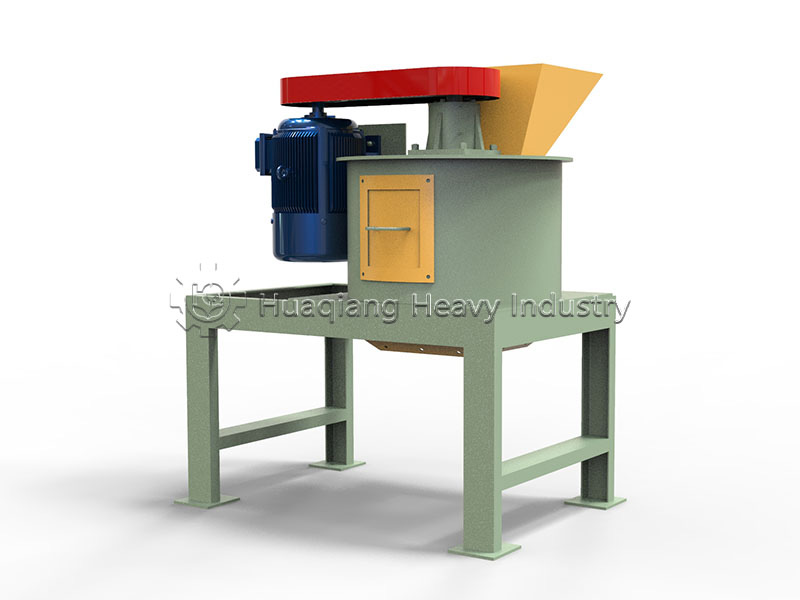
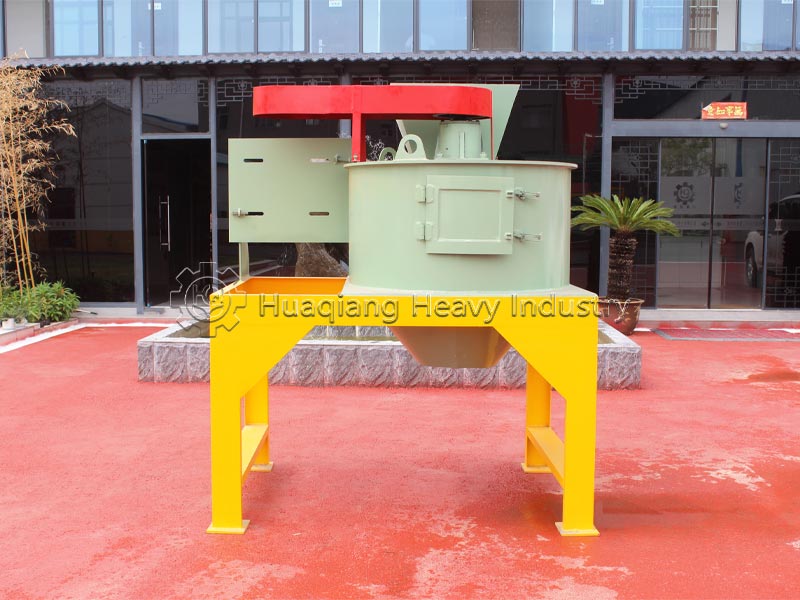
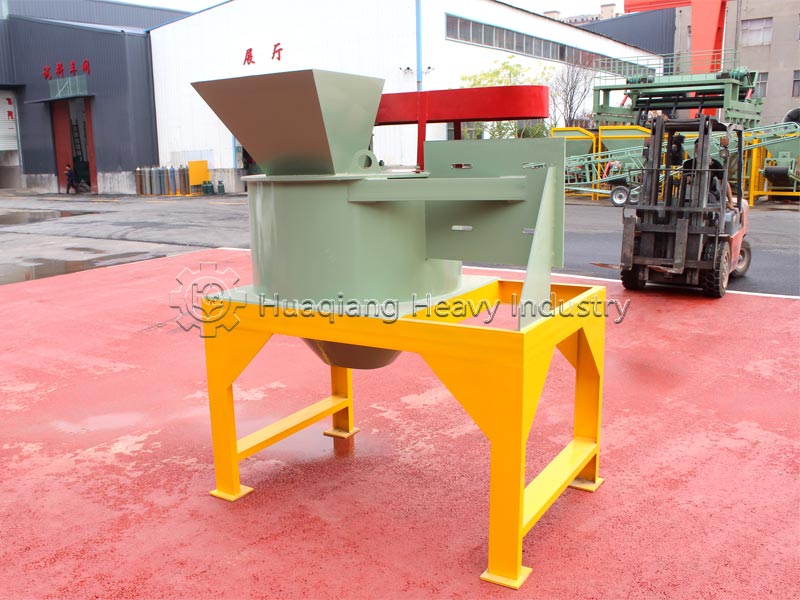
Chain Crusher
Chain crushers offer irreplaceable advantages in the crushing of high-moisture materials, overcoming the pain points of traditional hammer mills such as susceptibility to moisture, sticking, and clogging. Fermented organic fertilizers have high moisture content, high fiber content, and are prone to clumping. Other crushers often require frequent shutdowns for cleaning, while the moving chain structure of the chain crusher prevents wet materials from sticking, allowing for long-term continuous and stable operation. The chain, being the only wear part requiring periodic replacement, is inexpensive and easy to replace, resulting in a lower overall operating cost compared to similar crushing equipment.
Working Principle
After entering the crushing chamber, the material is thrown against the chamber wall by the centrifugal force generated by the high-speed rotating rotor. The chains, installed in layers on the rotor, spread radially under centrifugal force, performing high-speed beating, shearing, and grinding of the material. The material is repeatedly crushed by impact between the chain and the wear-resistant lining of the chamber wall. Particles reaching the required fineness fall through the bottom screen, while coarse material is retained by the screen and further crushed until the particle size is acceptable.
Performance Characteristics
Unaffected by Wet Material Clogging: The chain continuously vibrates and self-cleans during rotation, preventing wet materials from adhering and accumulating. Materials with a moisture content below 40% can be pulverized normally.
Controllable Powder Fineness: The output fineness can be adjusted by changing the screen mesh size to meet the particle size requirements of different granulation equipment.
Reliable Overload Protection: The chain can yield when encountering hard objects, preventing chain breakage or rotor damage.
Low Operating Vibration: The rotor is dynamically balanced, and the multi-layered chain is evenly distributed, ensuring smooth operation.
Low Cost of Wear Parts: The chain is an independent unit; only the broken chain needs to be replaced, eliminating the need to replace the entire rotor assembly.
Maintenance Methods
Before starting the machine daily, check the chain suspension status. Replace any broken or severely worn chains immediately, and tighten any loose links. After stopping the machine, open the inspection port of the cavity and clean any residual material adhering to the liner and screen mesh.
Check the screen wear weekly. Replace any screens with enlarged or perforated meshes immediately, otherwise the output fineness will become coarser, affecting subsequent granulation.
Inspect the wear-resistant liners on the cavity wall monthly, and replace them when they are worn down to half their original thickness. Lubricate the rotor bearings with grease every three months, and maintain the motor according to the scheduled maintenance cycle.
Perform a complete overhaul annually, replacing all worn chains, screens, and liners that have reached the end of their service life.
