
Mobile Belt Conveyor
Mobile Belt Conveyor
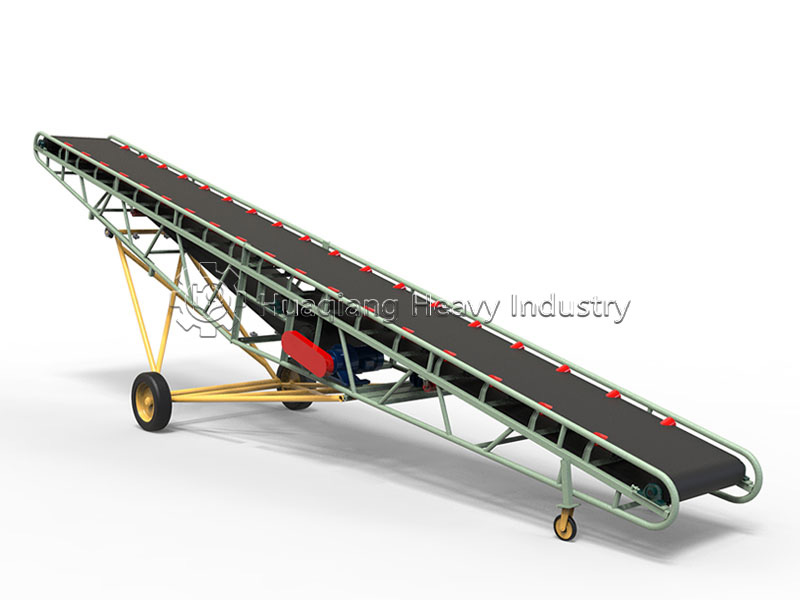
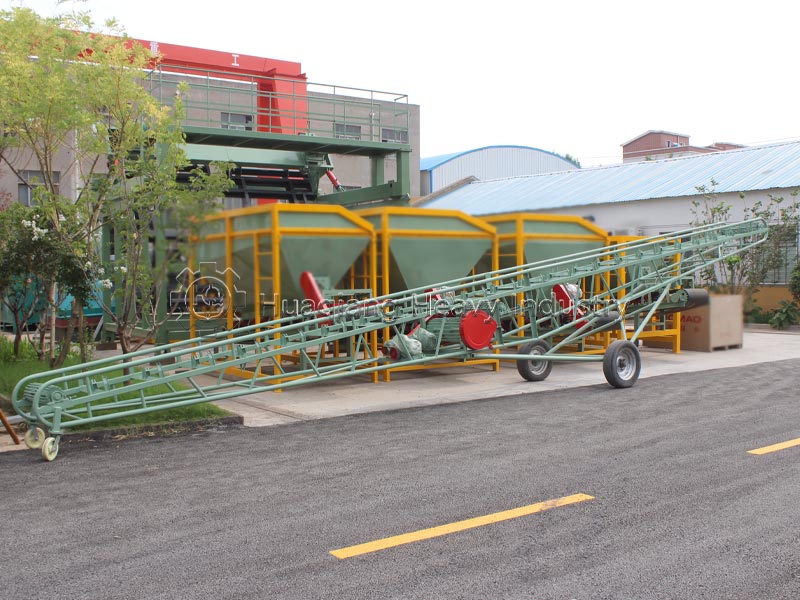
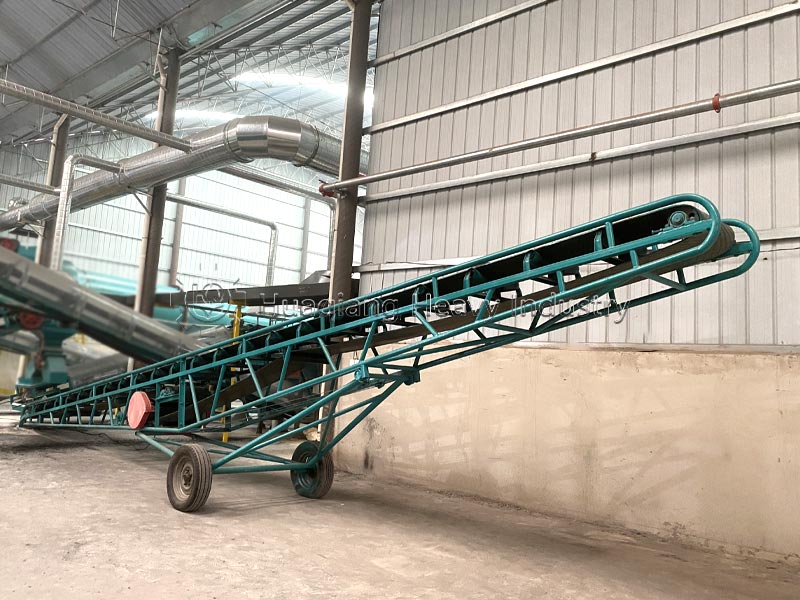
Mobile belt conveyors are practical equipment for solving the problem of flexible material transfer in fertilizer production and storage. In fertilizer warehouses, finished product storage yards, and loading areas, it is often necessary to temporarily adjust the conveying equipment according to changes in vehicle position and stack height. Mobile belt conveyors do not require fixed installation; they can be pushed to the required location and plugged in for immediate use. After operation, they can be moved to a corner for storage, without obstructing passageways. The equipment’s tilt angle is adjustable to adapt to loading needs at different heights, making it a powerful tool for organic fertilizer and compound fertilizer companies to improve loading efficiency and reduce manual labor intensity.
Working Principle
Material enters the conveyor belt through the tail hopper. The drive motor drives the head roller through a reducer, and the belt moves forward due to the friction between the roller and the conveyor belt. The material moves smoothly with the conveyor belt and is unloaded at the designated position after reaching the head. The machine is equipped with wheels and a traction rod at the bottom, allowing it to move freely along the ground. The lifting mechanism adjusts the unloading height by manually or electrically changing the machine’s tilt angle. The conveyor belt runs continuously, transporting material evenly without impact or breakage.
Equipment Composition
Conveyor Belt System: Nylon or polyester canvas core rubber belt, oil-resistant and aging-resistant, with optional surface baffles to prevent material slippage.
Drive Roller and Tail Wheel: Drive roller surface is rubber-coated to increase friction; tail wheel with tensioning device to adjust belt tension.
Mobile Chassis: Robust chassis welded from channel steel, equipped with four rubber tires (front and rear) to support the entire machine’s weight.
Tilting Angle Adjustment Device: Manual winch with wire rope tensioning or electric push rod lifting; adjustment range generally between 10°-30°.
Feed Hopper and Baffles: Large opening in the rear feed hopper facilitates loading by forklift; side baffles prevent material spillage.
Towing and Parking: Front tow bar can connect to a motor vehicle; rear parking brake or outriggers prevent slippage during operation.
Operating Precautions
Before use, check the conveyor belt for tears or delamination, check the roller surface for material residue, and ensure tire pressure is normal. After pushing the equipment to the working position, lock the wheels or lower the outriggers to prevent movement during transport. When adjusting the tilt angle, ensure machine stability; the tilt angle must not exceed the equipment’s specified maximum value.
Start the machine under no-load conditions. Once it is running normally, feed material evenly, and never start the machine with material on it. The material should fall on the center of the conveyor belt to avoid uneven loading and deviation. Observe the belt surface running status at any time during the conveying process, and adjust the tail tension screw in time if deviation is found. Do not frequently start and stop the machine during loading intervals; you can keep it running under no-load conditions while waiting. After the operation is completed, clean the belt surface and the feed hopper of any residual material, and move the equipment to the storage area.
