
Bucket Elevator
Bucket Elevator
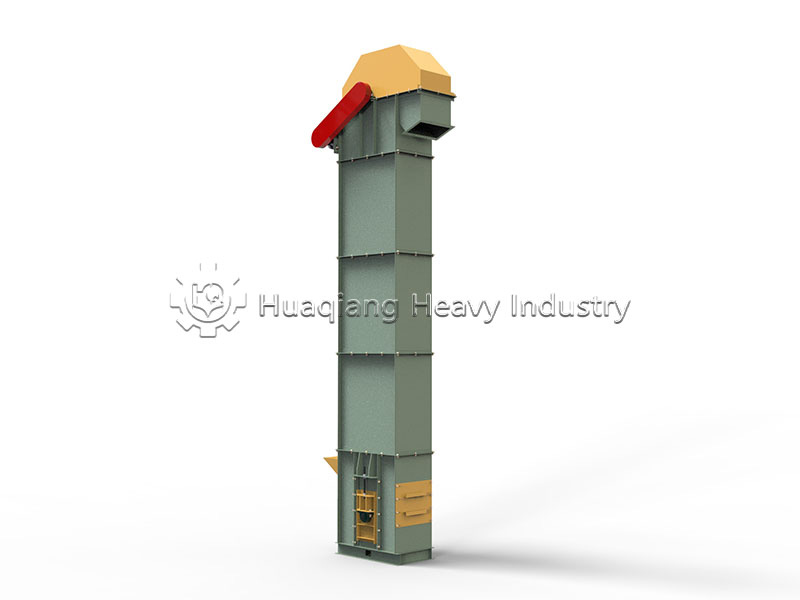
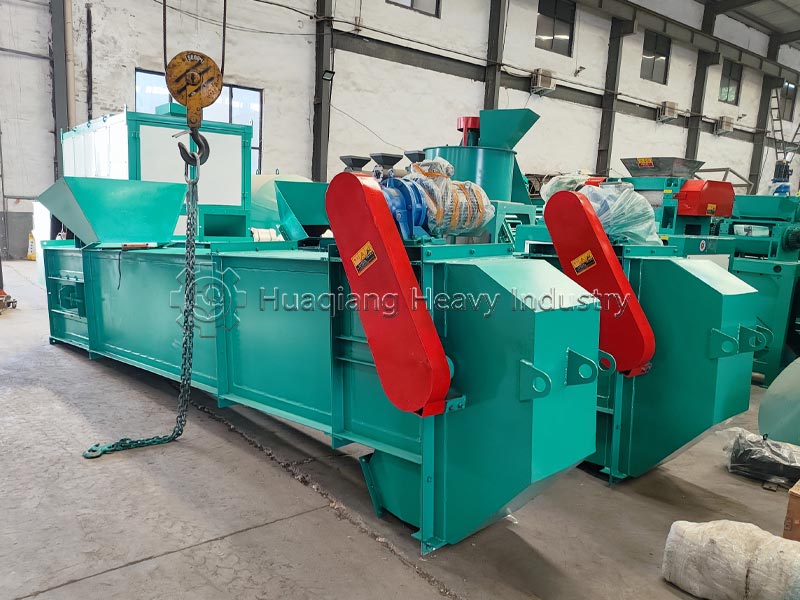
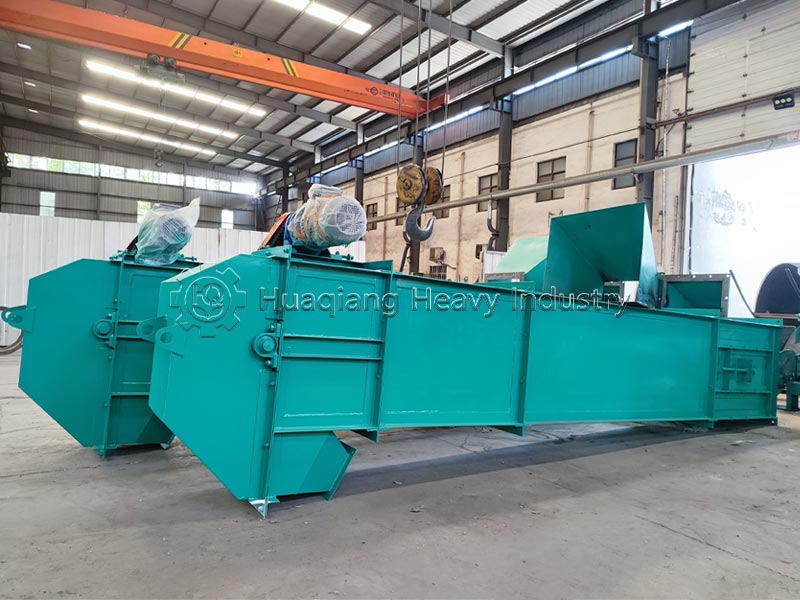
Bucket elevators are widely used in the fertilizer industry due to their stable operation, wear resistance, durability, and ease of maintenance. Core components such as the drive wheel, traction components, and buckets are all made of wear-resistant materials, suitable for long-term continuous conveying of abrasive and somewhat corrosive fertilizer materials. The fully enclosed casing protects internal components from external environmental influences and prevents dust escape. The equipment has a compact structure, low operating noise, and easy replacement of wearing parts. For fertilizer production lines requiring long-term, stable vertical material lifting, bucket elevators are a durable and reliable standard configuration.
Working Principle
The drive unit rotates the top drive wheel, which pulls the conveyor belt or chain in a cyclical motion via friction or meshing force. Buckets fixed to the traction components scoop or load material as they pass at the bottom, are lifted to the top, and then overturn to unload after passing the drive wheel. Empty buckets return to the bottom along the barrel for reloading and circulation. The material is continuously lifted within the enclosed casing, without contact with the outside environment. Adjusting the bottom tensioning device maintains appropriate tension in the traction components, preventing slippage and swaying.
Performance Characteristics
Wear-resistant and Durable: The hopper is made of thickened steel plate or wear-resistant plastic, and the traction chain is made of alloy steel, suitable for abrasive materials such as fertilizers.
Smooth Operation: The drive wheel is dynamically balanced, ensuring smooth operation of the traction components, low vibration, and low noise.
Good Sealing: The fully enclosed casing prevents dust and odor from escaping, improving the workshop environment.
Low Maintenance: Standardized parts and easy replacement of wear parts; daily checks only require tension and lubrication.
Flexible Lifting Height: The number of barrel sections can be increased or decreased, allowing for on-site adjustment of the lifting height according to the plant height.
Comprehensive Safety Protection: Equipped with a backstop, deviation switch, and emergency pull rope to ensure the safety of equipment and personnel.
Maintenance Methods
Check the operating sound and vibration of the equipment every shift; stop the machine and troubleshoot if abnormal. Clean the accumulated material at the bottom of the machine base to prevent the hopper from scraping against the accumulated material.
Check the hopper fastening bolts weekly; tighten any loose bolts promptly; replace any detached or damaged hoppers immediately. Check the tension of the traction belt or chain; adjust via the bottom tension screw if loose.
Inspect the drive wheels and idler wheels monthly for wear; replace sprockets when the teeth are worn down.
Add grease or change the lubricating oil in the drive spindle bearings and reducer quarterly.
During annual overhaul, conduct a comprehensive inspection of the traction components; replace hoppers and chain links with excessive wear in batches. Inspect the inner wall lining of the machine housing; repair or replace worn areas.
