
Belt Conveyor
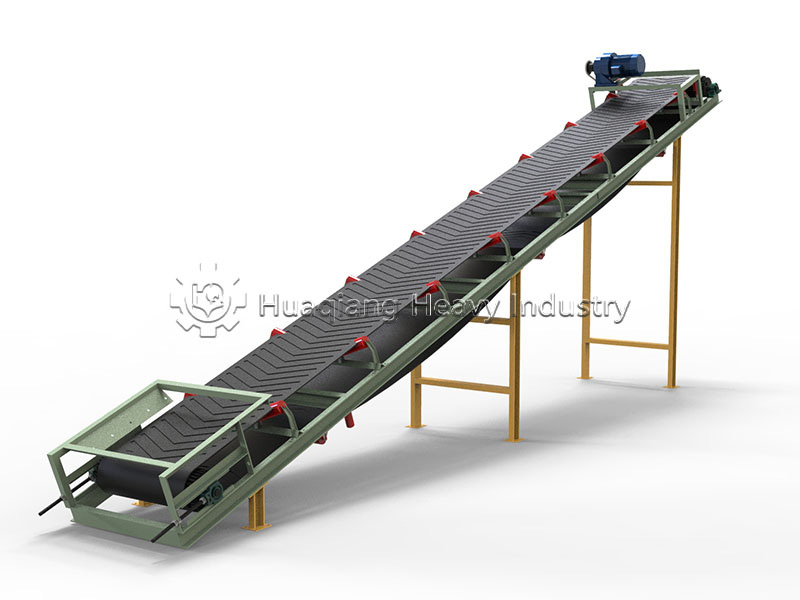
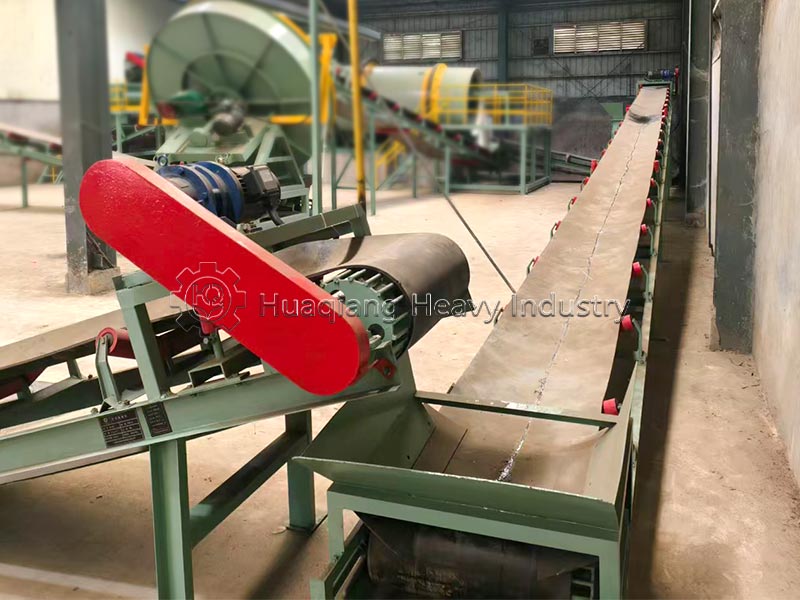
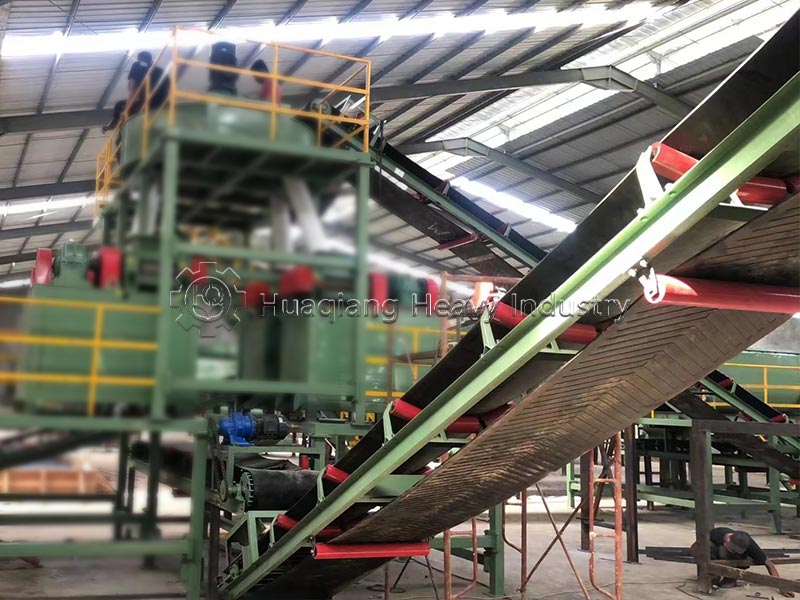
Belt Conveyor
Belt conveyors are the main arteries for material transport in organic fertilizer and compound fertilizer production workshops, responsible for connecting various process stages into a continuous production line. From raw material input to finished product packaging, belt conveyors handle the vast majority of material transfer tasks on horizontal or gently sloping surfaces. They operate quietly, transporting materials without damage on the belt surface, and are suitable for various fertilizer forms. Combined with screw conveyors and bucket elevators, they can form a three-dimensional conveying network. The equipment has been operating for extended periods in dusty environments with specific temperature and humidity levels, and its adaptability to the fertilizer industry has been thoroughly verified.
Working Principle
The drive motor rotates the head roller via a reducer. The friction between the roller surface and the conveyor belt drives the belt in a cyclical motion. The upper belt surface is the bearing surface, receiving incoming material and smoothly transporting it forward, while the lower belt surface returns along the idlers. At the tail end, the material enters the guide chute, falling evenly into the center of the conveyor belt and moving with it. Upon reaching the head end, the material is unloaded onto the next piece of equipment or a chute. Appropriate tensioning devices maintain belt tension to prevent slippage and deviation.
Equipment Composition
Carrying Conveyor Belt: Multi-layer nylon or polyester canvas core rubber belt, featuring high tensile strength, good troughing properties, and wear resistance.
Drive Unit: Motor combined with hardened gear reducer, driving the head roller via coupling; heavy-duty configuration includes a hydraulic coupling.
Roller Assembly: Drive rollers with cast or coated rubber surfaces to increase friction; redirecting rollers change the belt’s running direction.
Idler Assembly: Troughing idlers create grooves on the belt surface, increasing the cross-sectional area; return idlers support the lower belt surface; buffer idlers withstand material drop impact.
Intermediate Frame and Support Legs: Standard steel components, assembled on-site with bolts; height and span adjustable for easy installation.
Tensioning Device: Spiral tensioning suitable for short distances; vertical counterweight tensioning for long distances or high-power conveyors.
Safety Protection: Head and tail rollers and couplings are equipped with protective covers; inclined sections are equipped with anti-rollover devices and emergency pull-wire switches.
Operating Precautions
Before starting the machine, a full inspection must be conducted to ensure the conveyor belt is free of debris and personnel, all protective devices are in place, and the tensioning device is at the appropriate tension. The machine must be started under no-load conditions. Feeding should only begin after the belt has stabilized. Starting with material on the conveyor belt is strictly prohibited as it can overload the motor and damage the belt.
Feeding should be uniform and continuous, with the material aligned with the center of the belt surface to avoid uneven loading that could cause belt slippage and spillage. During operation, carefully observe whether the conveyor belt is centered. If slippage is detected, correct it by adjusting the idler rollers or the tail tension screw. Regularly monitor the operating sounds of the rollers and idlers; stop the machine and inspect for any abnormalities.
To stop the machine, first stop feeding, and only stop the main unit after all material on the belt has been unloaded. For long-term shutdowns, loosen the tensioning device and cover the conveyor belt with a waterproof cloth.
