
Drum Fertilizer Dryer
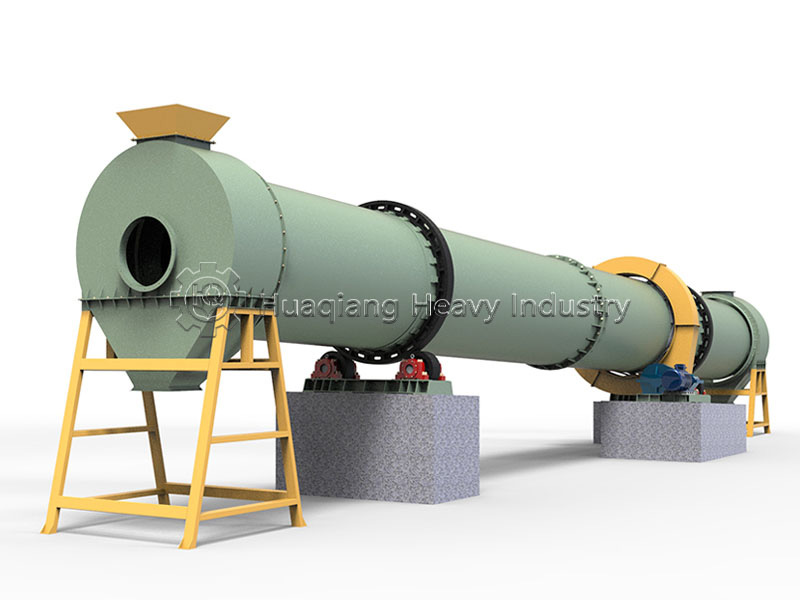
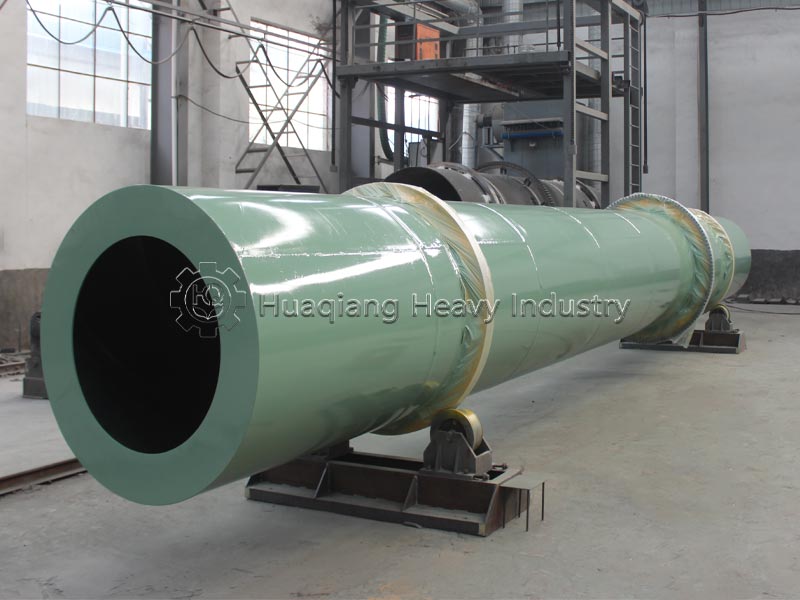
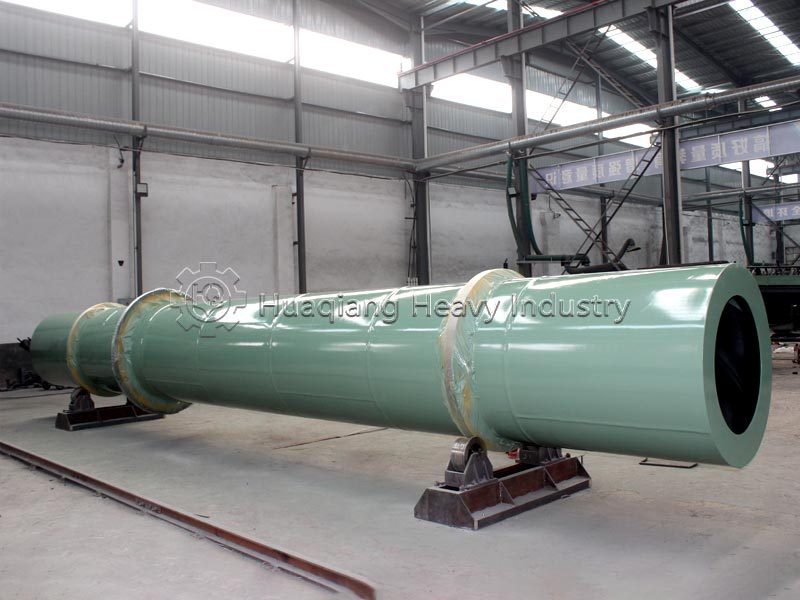
Drum Fertilizer Dryer
Working Principle
Wet material enters the rotating drum and is repeatedly lifted and scattered by the internal flights, forming a dense material curtain. Hot air contacts the material in either a co-current or counter-current flow; heat is transferred via convection, causing moisture to evaporate and diffuse into the hot air stream, which is then exhausted. As the material dries, it moves toward the discharge end; residence time is controlled by adjusting the drum’s inclination angle and rotation speed. Once the material reaches the target moisture content, it is discharged.
Performance Features
High drying intensity: Material is thoroughly dispersed within the drum, maximizing the heat exchange surface area with the hot air and resulting in high evaporation capacity per unit volume.
High thermal efficiency: Drum insulation minimizes heat loss, while flexible selection of co-current or counter-current processes enhances heat utilization.
Comprehensive capacity range: Models range from small to large, meeting the needs of production lines with varying output requirements.
Stable and reliable operation: Mature support roller and gear drive designs ensure reliable, continuous long-term operation.
Excellent material adaptability: Adjustable drum speed and air temperature accommodate various fertilizer types and initial moisture levels.
Maintenance Procedures
Check for smooth drum rotation and inspect support rollers and thrust rollers for abnormal wear or noise during every shift.
Check the tightness of lifting flights weekly; promptly re-weld or replace any loose flights.
Check the meshing of the large girth gear and pinion monthly; replenish lubrication on gear tooth surfaces.
Inspect the integrity of the drum insulation layer quarterly; repair damaged areas promptly to minimize heat loss.
Conduct a comprehensive inspection of support roller bearings, thrust roller clearances, and drum wall thickness during the annual overhaul; replace worn components.
