
Drum Fertilizer Cooler
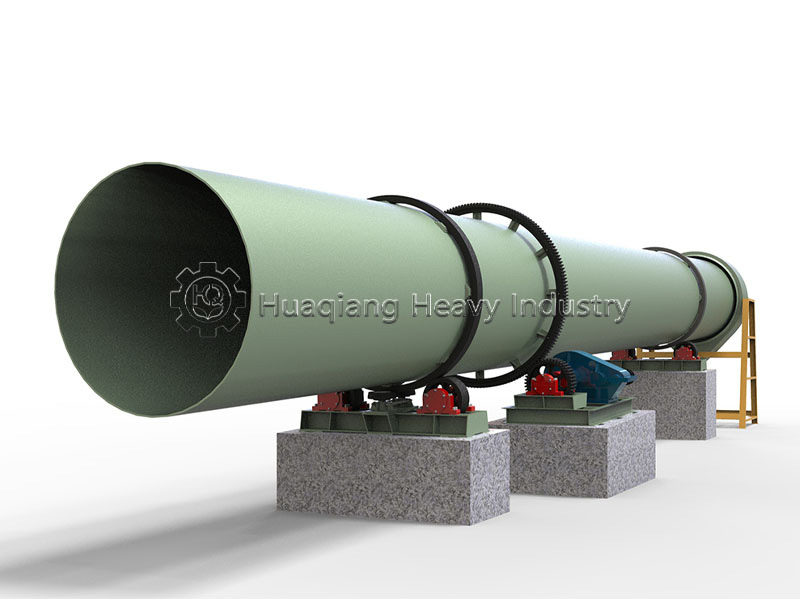
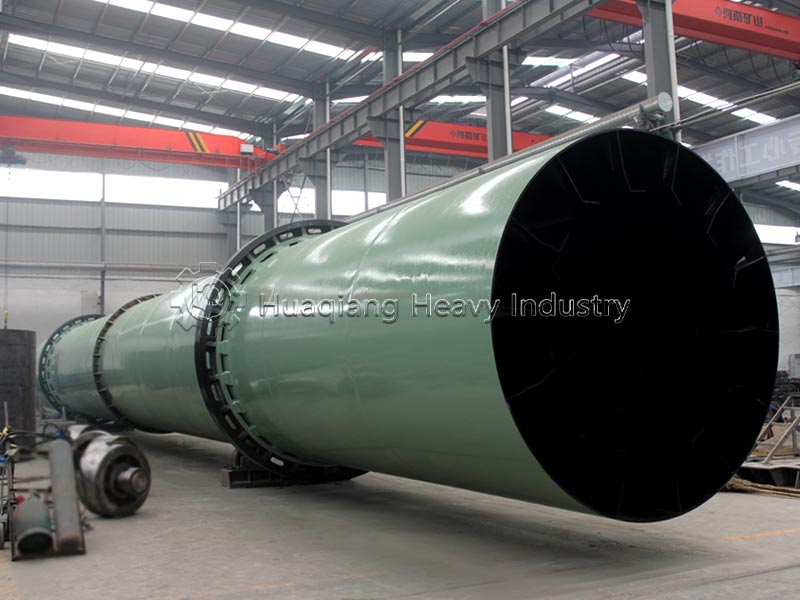
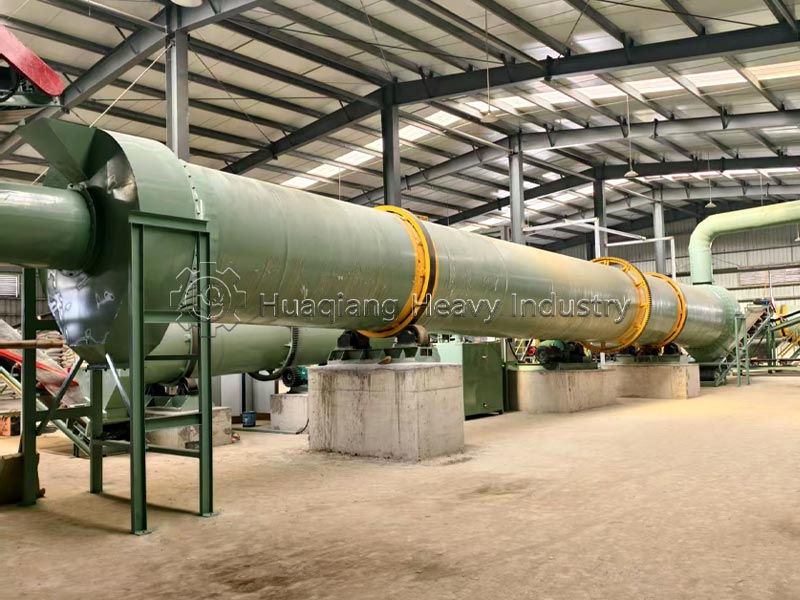
Drum Fertilizer Cooler
The drum fertilizer cooler is a critical piece of equipment in the fertilizer production line for controlling the temperature and final moisture content of the finished product. Dried fertilizer granules emerge at high temperatures and retain some residual heat and moisture; they must undergo a cooling stage to bring their temperature and surface moisture within safe limits before proceeding to screening and packaging. By utilizing forced ventilation and material agitation, the cooler dissipates residual heat and promotes the evaporation of remaining moisture, serving as essential equipment for ensuring storage quality and packaging efficiency.
Working Principle
Upon entering the rotating drum, high-temperature granular material is repeatedly lifted and scattered by internal lifters, creating a “curtain” of falling material. A fan blows ambient air into the drum; as the air passes through the material curtain, it absorbs heat from the granules, thereby lowering their temperature. During this process, residual moisture within the granules migrates to the surface and evaporates, further reducing the material’s moisture content. The cooling air flows either counter-currently or co-currently with the material; the air, having absorbed heat, is then discharged after passing through a dust removal system. The cooled material is discharged at a temperature close to ambient levels.
Applicable Fertilizers
Organic fertilizer granules: Dried granules made from fermented livestock and poultry manure.
Compound fertilizer granules: Cooling of high, medium, and low-concentration compound fertilizers.
Bio-organic fertilizer granules: Granules containing functional microbial agents; rapid cooling is required to preserve the viability of the bacteria.
Organic-inorganic compound fertilizer granules: Cooling treatment for blended fertilizer granules.
Single-nutrient fertilizer granules: Cooling of finished products such as granular urea and granular ammonium phosphate.
Cooling Considerations
The temperature of the granules after cooling is the primary control parameter; generally, it should not exceed the ambient temperature by more than 5–8°C. Excessive temperatures can lead to caking and moisture re-absorption after packaging.
Airflow volume must be matched to the material temperature and production output; insufficient airflow results in inadequate cooling, while excessive airflow increases energy consumption and dust generation.
The cooler’s capacity should match that of the dryer to prevent material backlog or supply interruptions in the cooling section. When cooling organic fertilizer granules, air velocity should be carefully controlled to avoid carrying lightweight granules into the dust removal system. Cooled material should proceed to screening and packaging promptly to prevent moisture re-absorption during transport.
