
Single Silo Single Weigh Type
Single Silo Single Weigh Type
The single silo single weigh dynamic automatic batching system is an automated batching solution designed to meet the precise proportioning needs of multiple raw materials in fertilizer production. Traditional manual batching relies on worker experience and weighing operations, resulting in low efficiency and large errors, directly affecting the nutrient content of the finished fertilizer. This batching system uses an independently configured weighing unit in each raw material compartment to measure in real time during dynamic feeding, automatically completing the entire process of formula setting, feeding control, precise replenishment, and unloading. It is suitable for the batching stages of various fertilizer types, including compound fertilizers, organic-inorganic compound fertilizers, and bio-organic fertilizers, and is a practical equipment choice for small and medium-sized fertilizer enterprises to improve batching accuracy and production efficiency.
Working Principle
After receiving the batching instruction, the system automatically determines the target weight and feeding sequence of each raw material according to the formula table. After startup, the feeding screw of the first raw material compartment begins rapid feeding, and the weighing hopper displays the material increment in real time. When the weight in the hopper approaches the set proportion of the target value, the control system automatically reduces the screw frequency, switching to slow feeding. After reaching the target weight, feeding stops, and the system records the actual batching value. Then, the next raw material hopper begins metering, and this process is repeated to meter all the ingredients in the formula. After each weighing hopper completes its metering, the system controls the discharge gates to open sequentially, and the material is conveyed into the mixing equipment via a collection belt. The system automatically compensates for errors caused by material adhesion or impact, ensuring consistent batch mixing accuracy.
Equipment Composition
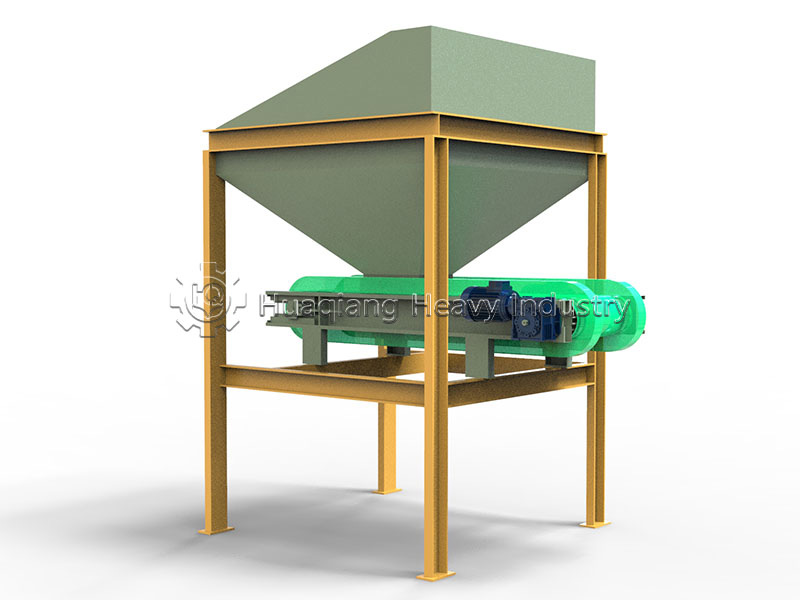
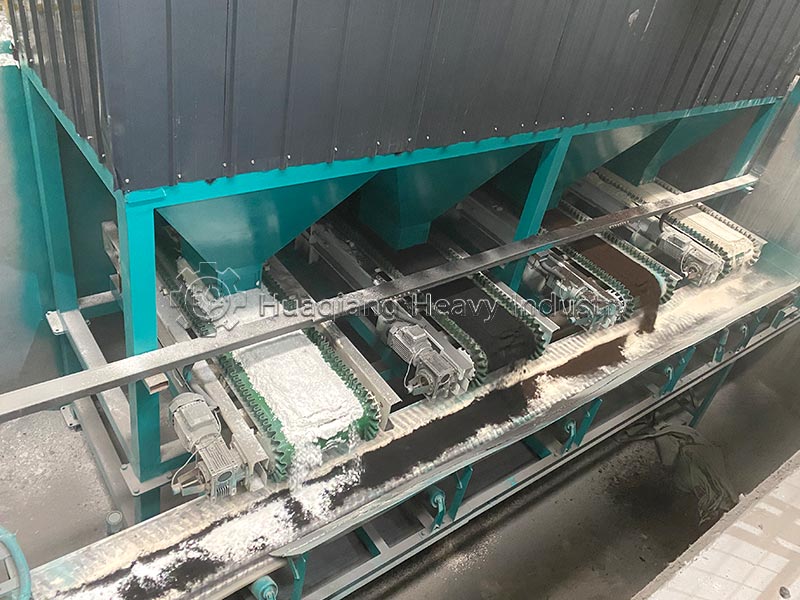
Storage Bin Group: Configured according to the type and quantity of raw materials, typically 3-8 independent bins, welded from steel plates with smooth inner walls to prevent material accumulation.
Variable Frequency Feeding Screw: A screw feeder is installed at the outlet of each bin, with the speed controlled by a frequency converter to achieve fast or slow feeding. The screw diameter and pitch are selected according to the material characteristics.
Independent Weighing Hopper: Each feeding system is equipped with a weighing hopper. The hopper body is supported by a hanging or pressure sensor to prevent uneven loading from affecting accuracy.
Pneumatic Unloading Device: A pneumatic butterfly valve or flap valve is installed at the bottom of the weighing hopper, which is flexible in opening and has good sealing performance.
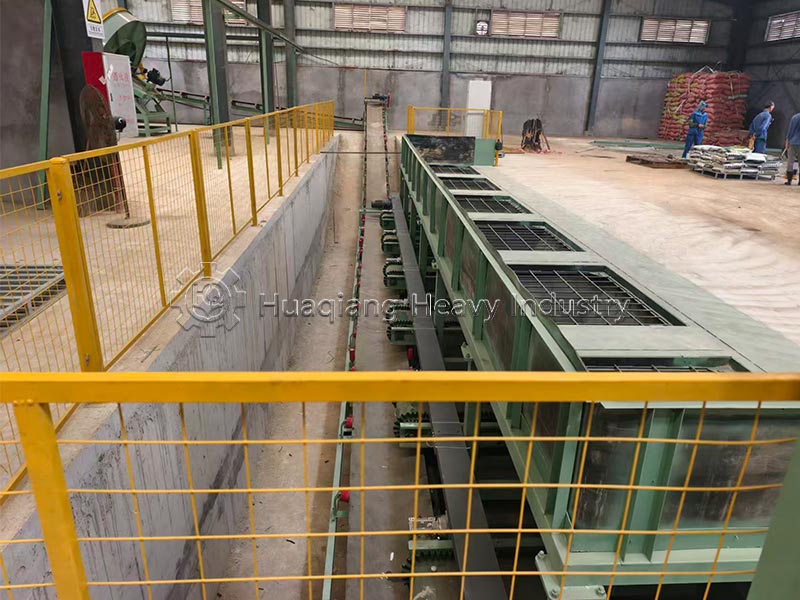
Collection Conveyor Line: Located below the weighing hopper, it collects and conveys the metered raw materials to the mixer.
Electrical Control Cabinet: Integrates PLC, frequency converter, weighing instruments, and low-voltage electrical appliances. A touch screen is located on the operating console.
Bin Wall Vibrator: Installed at the cone part of the bin to prevent material bridging and ensure smooth feeding.
Operating Precautions
Before starting the machine, it is essential to check that the material type in each bin matches the formula settings to prevent incorrect material feeding. Check the weighing hopper for any residual material and ensure there are no foreign objects obstructing the sensor.
After initial operation or formula change, a no-load test run should be performed to verify that feeding and weighing in each bin are normal. During operation, carefully observe the weight changes in each weighing hopper. If any abnormal feeding or large measurement deviation is found, stop the machine immediately for investigation.
Regularly calibrate the weighing sensors to ensure that the measurement accuracy meets production requirements. The feeding screw must not be started with material; the screw should be started first, followed by feeding. Replenish the material in the bins promptly when the material level is insufficient to avoid feeding interruptions affecting the batching schedule.
After shutdown at the end of the workday, clean the weighing hopper and feeding screw of any residual material to prevent moisture absorption and clumping, which could affect the next measurement.
