
Multiple Silos Single Weigh Type
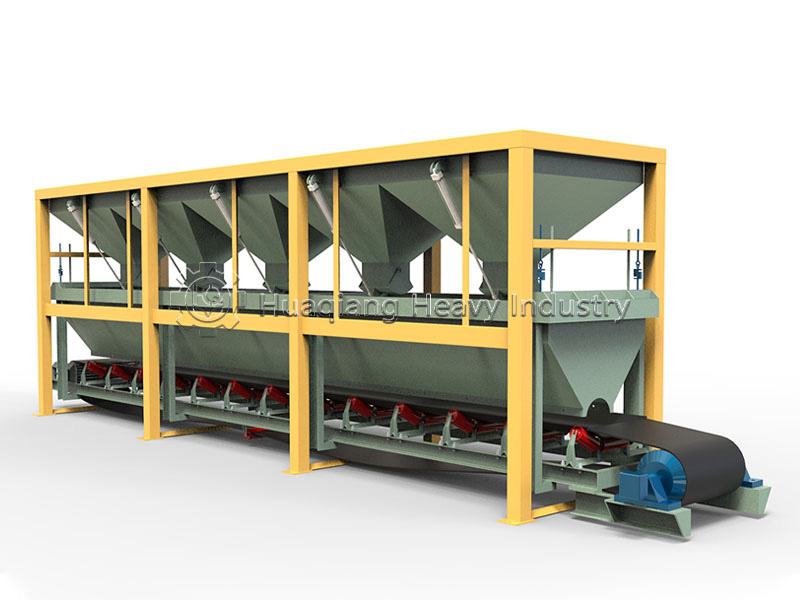
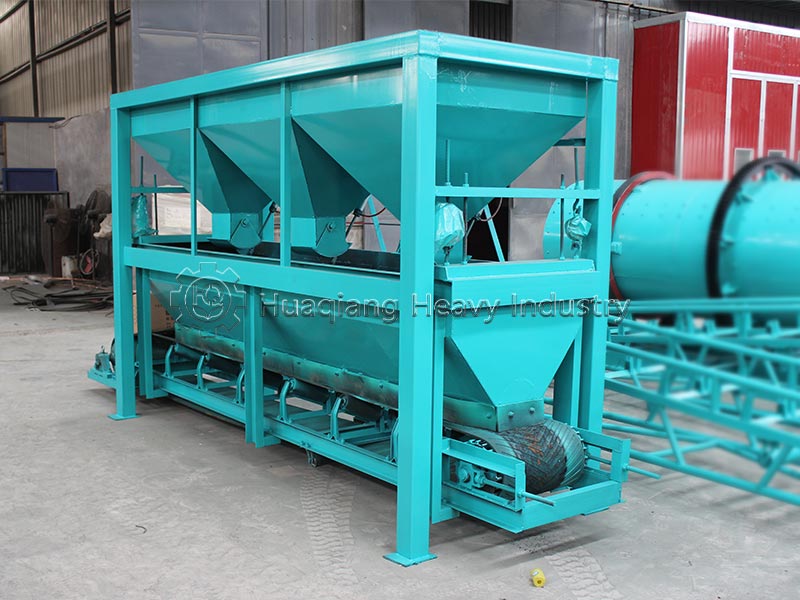
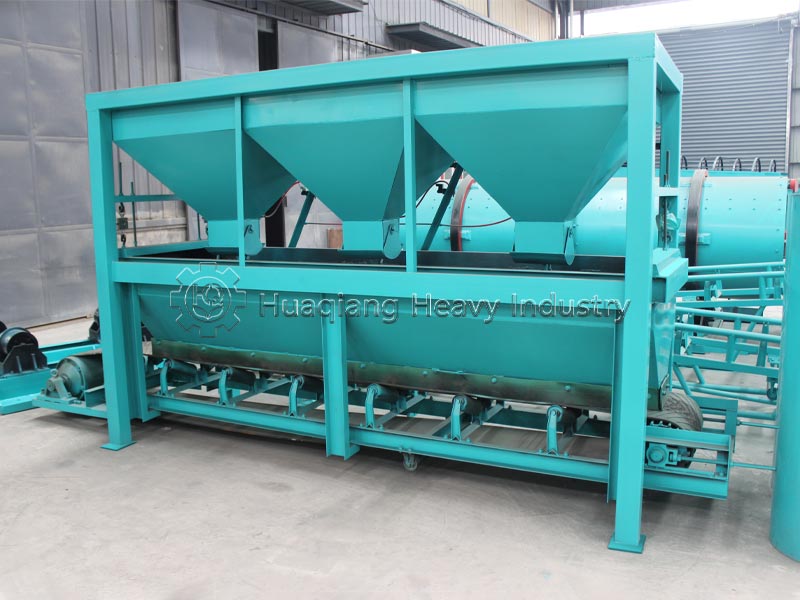
Multiple Silos Single Weigh Type
The multiple silos single weigh static automatic batching system is widely used in the batching sections of the fertilizer industry due to its stable metering, simple structure, and ease of maintenance. The equipment utilizes a shared static weighing hopper, which reduces the number of moving parts and sensors, minimizes potential points of failure, and ensures high operational reliability. The weighing hopper is constructed from wear-resistant steel and features a well-sealed discharge gate, making it suitable for long-term, continuous batch operations. The control system includes self-diagnosis and alarm functions to promptly detect feed blockages and sensor anomalies. This system offers an economical and reliable automated batching solution for small-to-medium-sized fertilizer production lines that require stable metering to ensure uniform nutrient content.
Working Principle
The system meters materials sequentially according to the recipe. Feeding augers from each raw material bin deliver material into the shared weighing hopper, where load cells monitor the weight in real-time. A two-stage feeding method (fast and slow speeds) is employed; the system switches to slow speed as the weight approaches the setpoint to ensure precision. Once one material is metered, the system automatically switches to the next, accumulating the weight values. After all materials are metered, the hopper discharges its contents, completing the batch. Weight readings are taken while the material is stationary, avoiding dynamic impact forces and ensuring high metering repeatability. The system automatically compensates for minor deviations caused by material adhesion, ensuring consistency across batches.
Performance Features
High Metering Precision: Static weighing achieves accuracy up to ±0.1%, outperforming dynamic metering systems.
Fewer Failure Points: Uses a shared weighing unit; simple structure ensures reliable operation.
Economical Investment: Saves on weighing components and electrical costs compared to single-bin, single-scale systems.
Intuitive Operation: Touchscreen displays metering status and accumulated weight for each material; parameters are easily configured.
Centralized Maintenance: Minimal number of weighing hoppers and sensors results in a low daily maintenance workload.
Recipe Management: Stores multiple recipes and supports batch recording and production statistics.
Maintenance Procedures
Daily: Check the weighing hopper for residual material and clean dust accumulation around the sensor mounting brackets. Check the pneumatic discharge gate for smooth operation and air leaks.
Weekly: Inspect feeding auger flights for wear and replace if severely worn. Check bin wall vibrator mounting bolts to ensure they remain tight.
Monthly: Calibrate load cells using standard weights to ensure metering accuracy. Inspect the electrical components inside the control cabinet quarterly; remove dust and tighten connections.
During the annual overhaul, inspect the welds on the steel platform and replace worn spiral blades, sealing rings, and pneumatic components. Periodically check sensor cables for damage and ensure the junction box remains well-sealed.
