
Ring Die Pelleting Machine
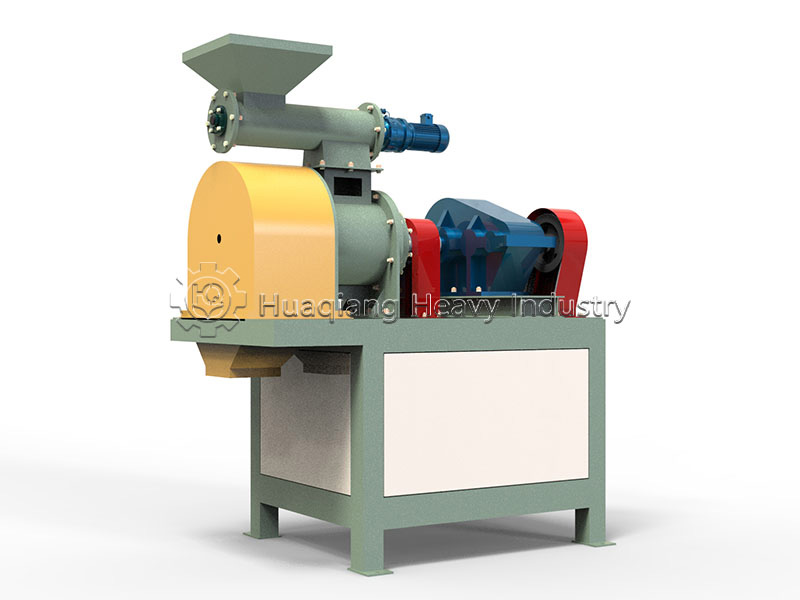
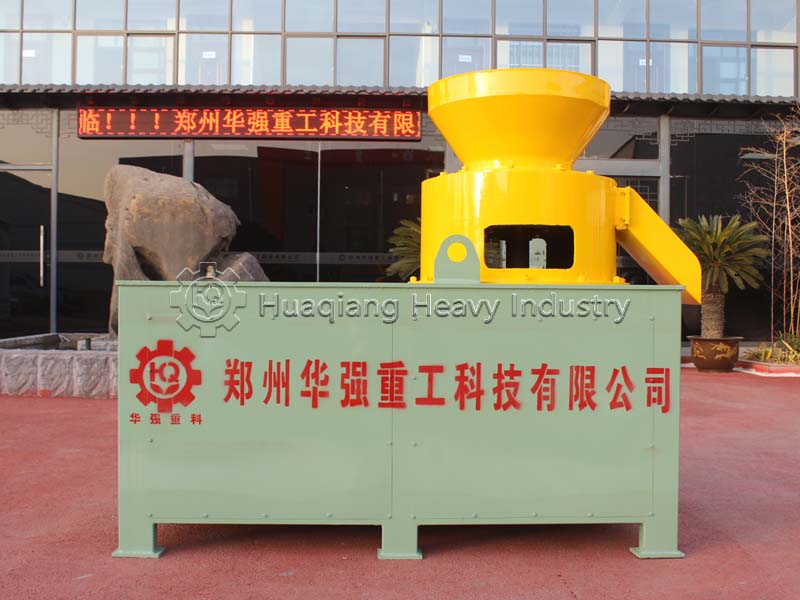
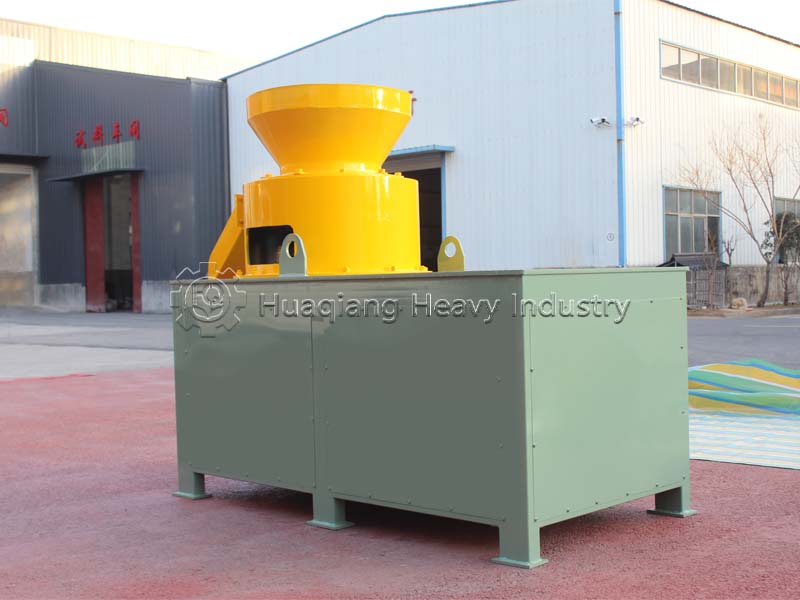
Ring Die Pelleting Machine
The ring die pelleting machine is an indispensable core piece of equipment in the feed and organic fertilizer processing industry. Unlike a flat die pelleting machine, which relies on a horizontal die and a few pressure rollers, it uses a vertically installed ring die and internal pressure rollers to extrude material from the inside out. This structure directly benefits high pelleting efficiency, large capacity, and the ability to support continuous industrial-scale production. The ring die pelleting machine requires certain operation and maintenance skills to consistently output high-quality pellets. In large feed mills and organic fertilizer plants, the ring die pelleting machine is often the key component of the entire production line.
Working Principle of Ring Die Pelleting Machine
The ring die pelleting machine works by “internal pressure and external extrusion.” After the material falls into the inner cavity of the ring die from the feed inlet, it is distributed onto the inner wall as the ring die rotates. There is a gradually narrowing wedge-shaped area between the inner wall of the ring die and the pressure rollers, where the material is tightly clamped. The pressure roller itself has no power; it rotates entirely due to the rotation of the ring die and the friction of the material. However, this very rotation ensures that the pressure roller and ring die maintain the optimal crushing angle for the material. When the material is pressed into the densely packed die holes on the ring die wall, it undergoes three consecutive stages: first, the compression stage, where the material is forcibly pushed into the holes, reducing its volume and increasing its density; then, the shaping stage, where the material is constrained by the die walls and pushed by subsequent material, being compressed into a dense cylinder; finally, the extrusion stage, where the material is pushed out from the outer wall of the ring die and cut into particles of uniform length by the outer cutter.
Common Issues for Ring Die Pelleting Machine
Uneven ring die wear. Normal wear should result in a uniform decrease in the depth of the die holes, but sometimes one side may be severely worn while the other side remains relatively new. This is usually caused by uneven material distribution within the ring die cavity, such as a misaligned feed position, inconsistent roller gaps, or misaligned ring die installation, leading to prolonged overload on one side.
Pressure roller slippage. This is mostly due to insufficient lubrication and jamming of the pressure roller bearings, or the material being too wet and sticking to the pressure roller surface, forming a smooth film and insufficient friction. When the pressure roller slips, the material cannot enter the gap and is instead ground into powder, causing a sharp drop in pellet output and an increase in powder.
Excessive temperature, surface peeling, or cracks in the pellets after demolding are often caused by an excessively high ring die compression ratio or excessively low material moisture content. Excessive resistance in the die orifice leads to excessive frictional heat generation, causing surface moisture to evaporate instantly, resulting in peeling and cracking. This not only affects the appearance of the pellets but also reduces their nutritional value.
Sudden abnormal noises and increased vibration during equipment operation, without a significant increase in current, are commonly caused by peeling pits on the pressure roller or ring die surface, or hard objects embedded in the meshing area between the large gear ring and the small gear. If this fault is not addressed promptly, the peeling pits will rapidly expand, eventually leading to the failure of the ring die.
Maintenance Methods for Ring Die Pelleting Machine
Storage and maintenance of ring dies and pressure rollers. Spare ring dies should be coated with anti-rust oil, wrapped with breathable material, and placed vertically in a dry and ventilated place. The internal die holes of ring dies that have not been used for a long time may rust. Before use, they must be cleaned with an oil mixture. Direct installation into the machine is strictly prohibited, as the rusted hole walls will scratch the pressure rollers and clog the die holes.
During pressure roller assembly, pay attention to the bearing clearance adjustment. Insufficient clearance will cause the rollers to seize at high temperatures, while excessive clearance will cause the rollers to run and damage the ring die. Each time the pressure roller bearing is replaced, use a special tool for pressing; hammering is prohibited. After installation, manually rotate the pressure roller; it should rotate freely without jamming or radial play.
Regularly check whether the clearance between the ring die and the pressure roller is within the specified range. As the ring die and pressure roller wear, the clearance will gradually increase. Excessive clearance will prevent material from being effectively gripped and crushed, resulting in decreased output and increased powder production. The clearance is generally compensated by adjusting the eccentric shaft of the pressure roller, but it is essential to ensure that the clearance on both sides is consistent; otherwise, it will exacerbate uneven wear.
Daily lubrication is crucial. The main bearing bears a huge axial and radial load. Insufficient or deteriorated grease will quickly damage the bearing, causing excessive radial runout of the ring die and increased vibration of the entire machine. The reducer’s lubricating oil should be changed regularly according to the instruction manual. The oil should be changed after the first 500 hours of use, and then every 2000 hours or six months thereafter.
After each shutdown, the pelleting chamber should be cleaned, especially the material accumulated in the gap between the pressure roller and the ring die. This material hardens after cooling and can easily damage the ring die and pressure roller upon restarting. Do not use a steel hammer to strike the inner wall of the ring die; use a copper rod or wooden tool to gently scrape it off.
Target Users
Large and medium-sized feed production enterprises. These enterprises typically have a daily output of tens to hundreds of tons and require equipment that can operate continuously and stably 24 hours a day, producing pellets with high hardness, good water resistance, and low pulverization rate. The high capacity and mature technology of the ring die pelleting machine perfectly match these needs and is the standard equipment for commercial feed production.
Large-scale organic fertilizer processing plants. When the annual output of organic fertilizer reaches tens of thousands of tons, the single-machine capacity of the flat die pelleting machine may become a bottleneck. The ring die pelleting machine can provide greater output capacity, while producing compact pellets with a uniform appearance, suitable for the market positioning of branded organic fertilizers.
Biomass pellet fuel production enterprises. Ring die pelleting machines, with their high compression ratio and high power design, compress wood chips, straw, peanut shells, etc., into high-density pellet fuel. The resulting pellets have high calorific value and are easy to transport.
Large-scale livestock farms often use ring die pelleting machines as core equipment in their integrated feed and fertilizer processing centers. These mills can be used to produce feed pellets for their own use or to ferment livestock manure into organic fertilizer pellets for external sale, achieving a cycle of planting and breeding and resource utilization.
Ring Die Pelleting Machine Parameters
| Model | HP-450 | HP-650 |
| Capacity (t/h) | 2-5 | 4-8 |
| Pelleting Rate (%) | >95% | >95% |
| Motor Power(Kw) | 30+1.5 | 55+3 |
| Dimension(mm) | 2150*1350*2200 | 2500*1350*2535 |
