
Double Roller Press Granulator
Double Roller Press Granulator
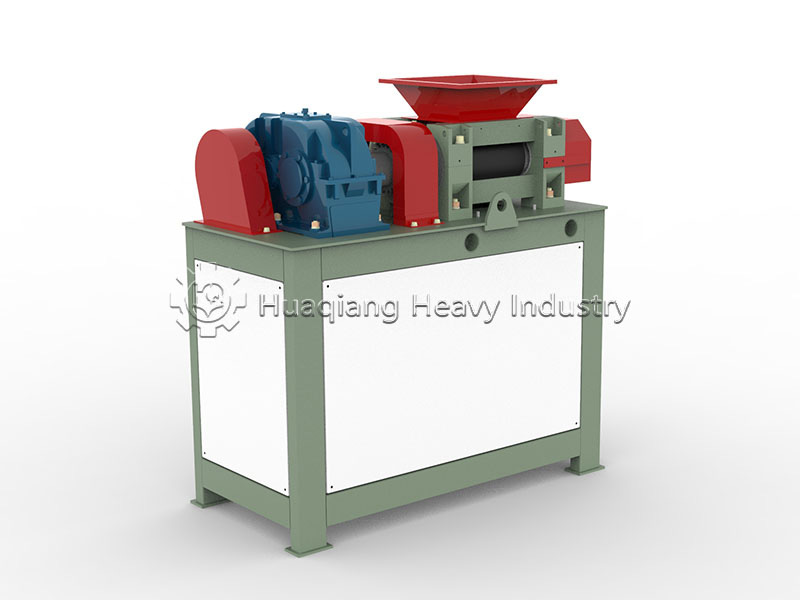
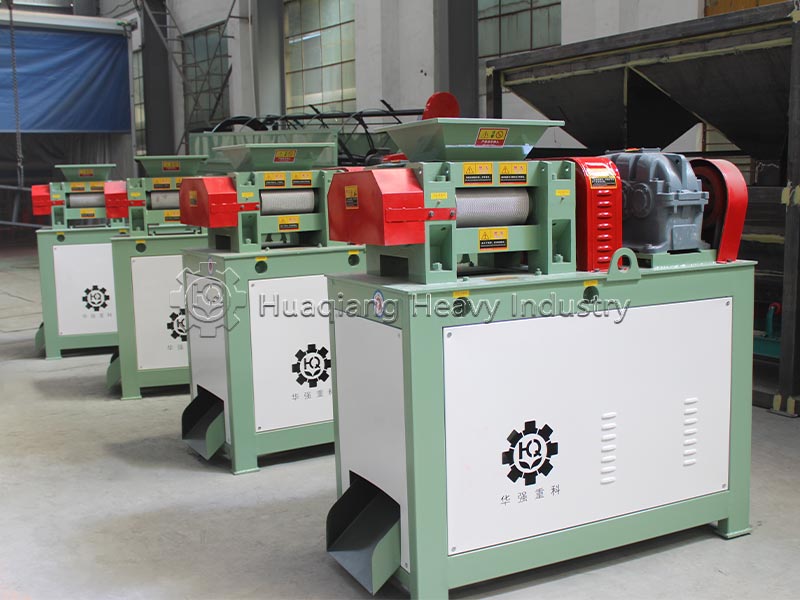
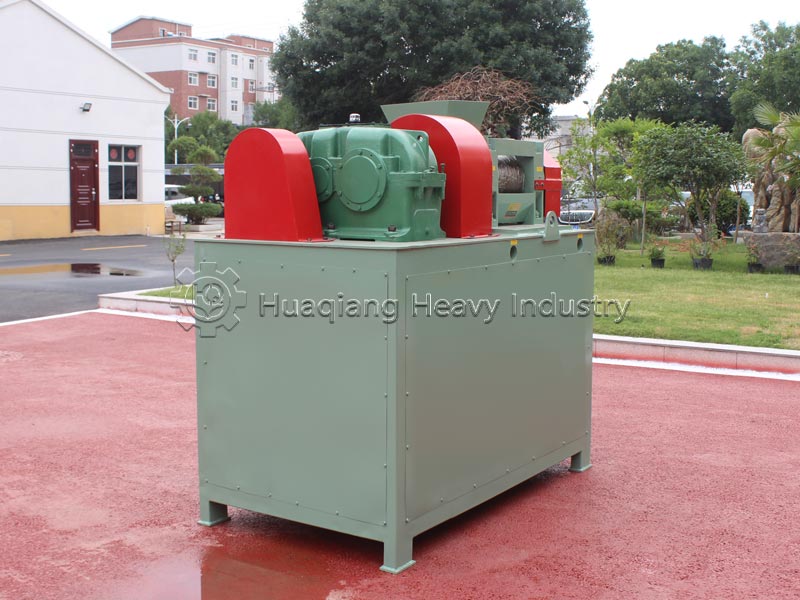
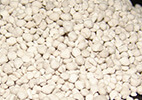
The double roller press granulator is a machine that compresses dry powder directly into granules through the counter-rotation of two dimpled rollers. It is versatile regarding materials, capable of processing compound fertilizers, inorganic fertilizers, chemical powders, and mineral powders. It requires no water addition or drying, thereby eliminating the need for a long chain of auxiliary equipment. Furthermore, its structure is simple; troubleshooting and repairs are straightforward, and routine maintenance is hassle-free.
Common Issues for Double Roller Press Granulator
Granules fail to form or lack sufficient strength: There are three common causes—low raw material moisture content (making the powder too dry to compact); hydraulic pressure set too low (insufficient extrusion force); or severe wear on the roller surface dimples, causing the mold cavities to become shallow.
Material sticking to roller surfaces: Usually caused by high raw material moisture content or excessive sticky components. For minor sticking, the linear speed of the roller surface can be increased; for severe cases, the roller surface must be cleaned, and the raw material ratio or moisture content adjusted.
Poor material feeding: Material “hangs” in the hopper without flowing down; this is usually due to the raw material being too wet, containing excessive fiber, or having accumulated for too long.
Uneven granule size: Possible causes include a damaged screen, uneven wear on the two sides of the roller surface, or uneven material flow. Solutions include checking the screen for damage, adjusting feeding uniformity, or flipping/replacing the roller shells.
Maintenance Methods for Double Roller Press Granulator
Daily maintenance: Clean residual material adhering to the roller surfaces after each shift to prevent buildup from affecting the next production run; check the hydraulic station’s oil level and temperature; visually inspect the screen for damage; and listen for normal operating sounds.
Weekly maintenance: Apply grease to drive bearings and feeder suspension bearings; clean the hydraulic station filter; check the oil level in the synchronization gearbox; and tighten all anchor bolts and connecting bolts.
Monthly maintenance: Test hydraulic oil quality and filter or replace it if necessary; inspect roller shell wear and flip or replace shells that exceed wear limits; and check the tension of drive belts.
Annual Maintenance: Complete disassembly and overhaul of the entire machine; replacement of aged seals and worn bearings; replacement of hydraulic fluid; inspection and repair (via welding) of the frame for weld cracks; cleaning and tightening of electrical control cabinet components.


Operational Precautions for Double Roller Press Granulator
Raw Material Quality Control: Materials must be screened and passed through a magnetic separator before feeding to prevent hard objects—such as stones, bolts, or welding slag—from entering the gap between the rollers, which could cause roller surface cracking or damage to drive components.
No-Load Startup: Always start the machine without a load; confirm normal operation before introducing material. Starting with material inside is strictly prohibited, as it can cause the machine to stall or overload the drive components.
Uniform Feeding: Feed rate should be stable and continuous, avoiding fluctuations. Insufficient feeding results in loose granules, while excessive feeding can cause blockages or excessive motor current.
Pressure Setting: Hydraulic pressure should be adjusted gradually based on material characteristics; do not blindly increase pressure to boost output. Long-term operation under excessive pressure shortens the service life of bearings and roller shells.
Shutdown Sequence: Stop the feeder first; wait until all material between the rollers has been discharged and the main motor current drops to the no-load level before stopping the main unit and hydraulic station. Clean any residual material from the roller surfaces after shutdown.
Safety Protection: Do not insert hands or tools into the hopper, the gap between rollers, or drive areas while the equipment is running. During maintenance or material clearing, the machine must be stopped and the power disconnected, with warning signs displayed.
Target Users
Small and Medium-sized Fertilizer Plants: Business owners seeking to granulate various types of fertilizer with minimal equipment investment and simple production processes. The fertilizer compaction machine is an ideal fit due to its low initial investment and minimal staffing requirements.
Chemical Enterprises (Powder Post-processing): Chemical plants that generate powdered intermediates or finished products and require granulation to reduce dust emissions and facilitate packaging or downstream use. The equipment can be paired with dust collection systems to ensure dust-free operation.
Feed Additive Manufacturers: Feed companies needing to convert powdered additives into granules for easier uniform mixing or sale.
Users Retrofitting Existing Wet Granulation Lines: Fertilizer companies currently using disc or rotary drum granulation lines that face high energy consumption and environmental compliance pressures, and wish to gradually transition to a dry granulation process.
Double Roller Press Granulator Parameters
| Model | DZJ-I 1.0 | DZJ-I 2.0 | DZJ-I 3.0 | DZJ-I 3.0 |
| Capacity (t/h) | 1-1.5 | 1.5-2.5 | 2-3 | 3-4 |
| Power (Kw) | 11 | 18.5 | 22 | 45 |
| Roller Dimension(mm) | ø150×220 | ø150×300 | ø186×300 | ø300×300 |
| Feed Material Size(mm) | <=0.5 | <=0.5 | <=0.5 | <=0.5 |
| Output Granules Size(mm) | ø2.5-ø10 | ø2.5-ø10 | ø2.5-ø10 | ø2.5-ø10 |
| Gearbox Model | ZLY-160 | ZLY-160 | ZLY-180 | ZLY-224 |
| Rotation Speed (r/min) | 60 | 60 | 60 | 60 |
